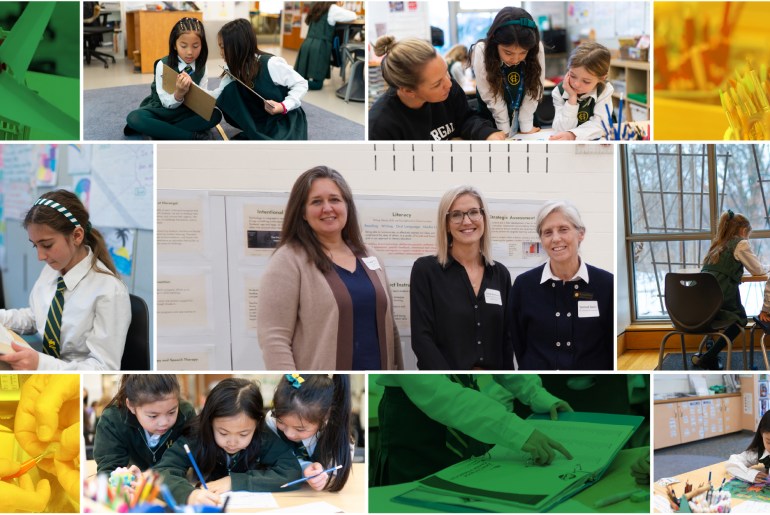
Inspiring students to be their best selves extends well beyond academics and co-curricular activities at Havergal.
The school has long been focused on wellbeing and inclusivity, but, in recent years, has deepened its focus on embedding these practices throughout every aspect of school life.
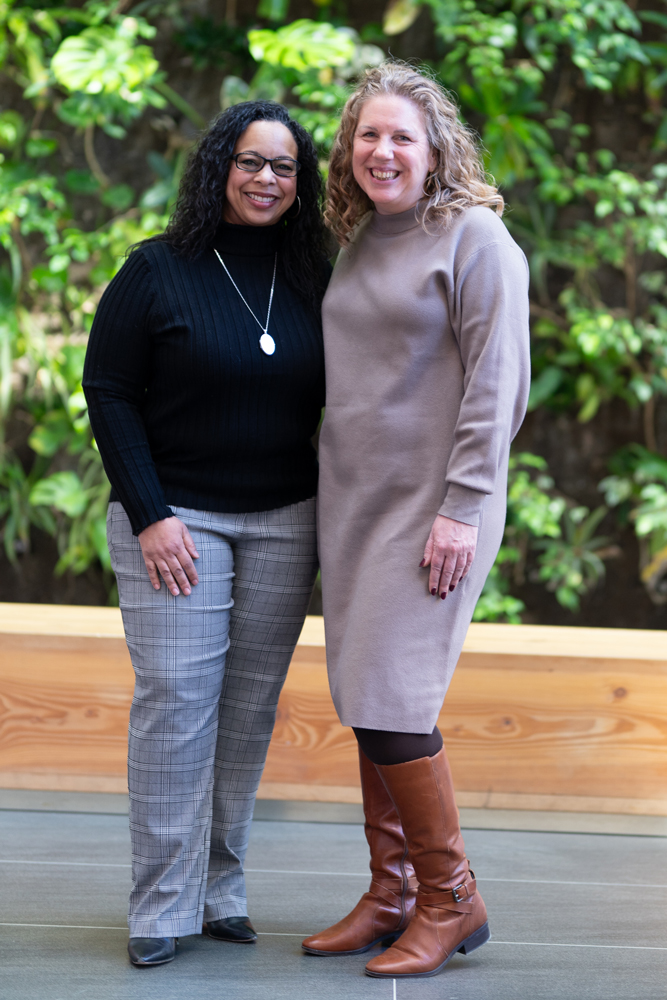
Part of that commitment has been the addition of Krista Koekkoek, Vice Principal of Student Life and Wellbeing, and Nicole Cozier, Executive Director of Equity, Diversity, Inclusion and Belonging (EDIB).
“Nicole and I were both hired within the last couple of years and, notably, we both sit at the senior leadership table, which is indicative of the school’s commitment to wellbeing and EDIB living in a systemic, not a superficial, way,” says Koekkoek.
As a result, there is renewed attention and active work on connection, wellbeing and belonging among students, faculty and staff. “Scaling up across the broader organization to focus on both students and adults in the school has been a positive and impactful shift,” says Cozier.
Forging a New Path in Wellbeing
Many factors, including global crises and political uncertainty, have had a measurable effect on mental health. While Havergal has significant supports to help students manage these challenges, Koekkoek’s work seeks to emphasize a proactive approach with education and skill-building rooted in wellbeing science. This approach includes understanding personal values, naming emotions, extending self-compassion and recognizing the mind-body-spirit connection.
“The question for students is: ‘How can we take care of ourselves, our relationships and our community?’ When we understand what wellbeing truly is and are able to adopt tactics to support it, research suggests over and again that students excel even more academically and within their co-curricular activities,” she says.
There are four pillars of wellbeing programming throughout the school, rooted in Havergal’s exclusive Commitment to Wellbeing, including aligning values and purpose.
“We’ve partnered with researchers from Boston College who are investigating the value of a purpose mindset and how it transcends passion and performance. ‘How can we use our strengths and skills to make positive contributions that align with our core values?’ We’re looking to embed this idea not only in our support of students and how we connect with them, but also in our support of employees.”
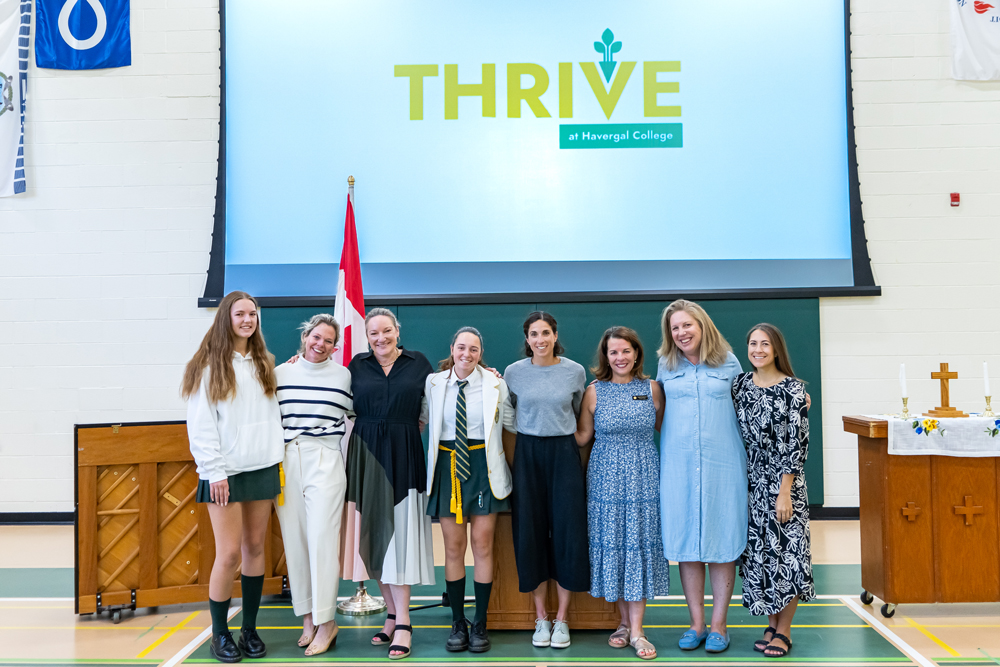

Self-compassion is also an important principle of our commitment and it is particularly for girls at this stage in their lives. “Women can be especially hard on themselves. We quite freely give compassion to others and forget the importance of extending it inward. In the upcoming year, there will be a big focus on fostering self-compassion,” says Koekkoek.
Extensive social-emotional learning programming is in place for each grade. “We have various faculty members run sessions based on their expertise. A social worker might offer something on anxiety and depression, and a student leadership advisor might run a session on authenticity and its powerful impacts on leading,” says Koekkoek.
Self-compassion is also an important principle of our commitment, and it is particularly for girls at this stage in their lives.
Krista Koekkoek
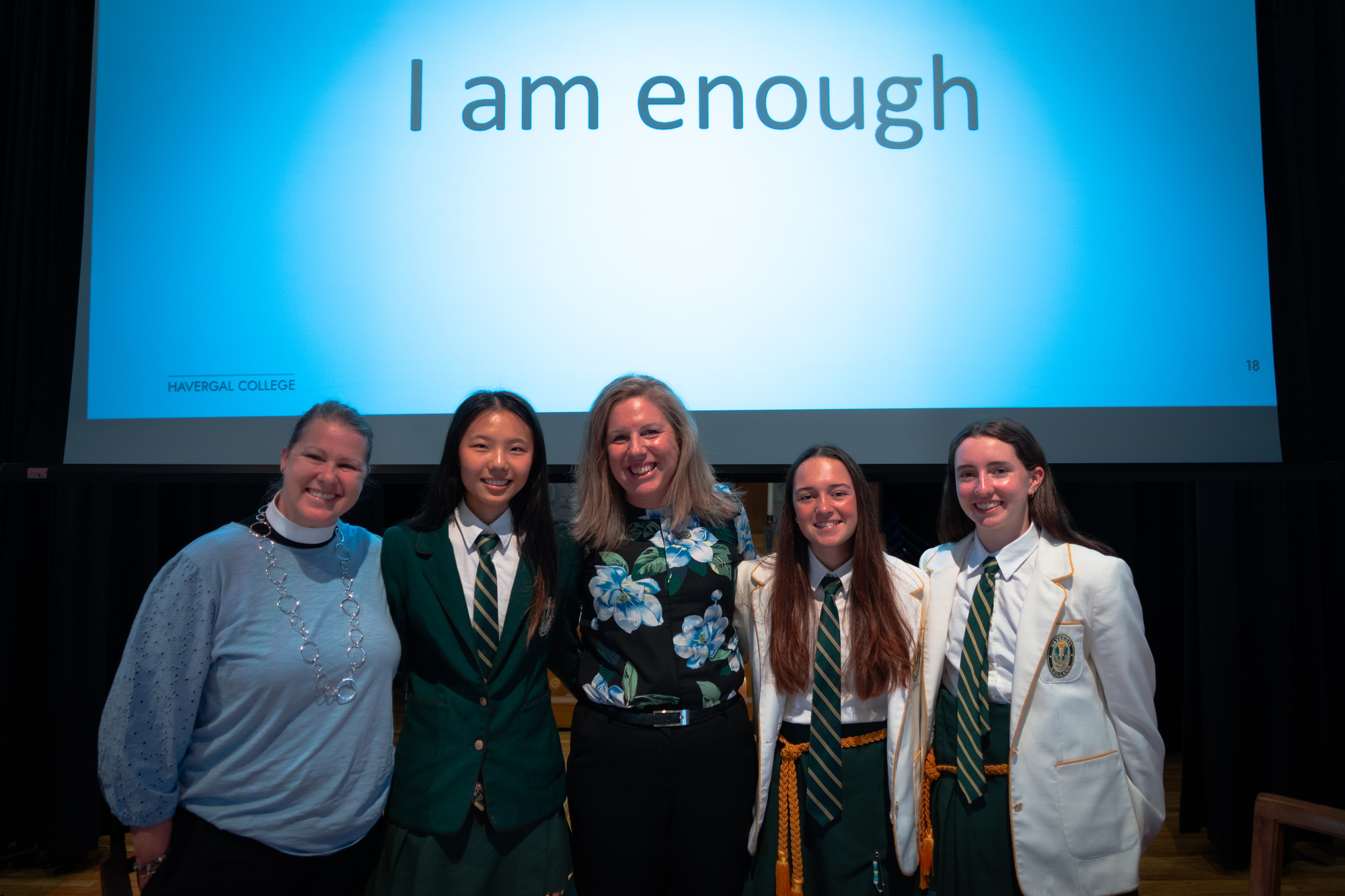
Wellbeing principles are also popping up where students might not necessarily notice. “We’re seeing that report card comments use values in framing success for students, and teachers are reflecting in class what self-compassion looks like after taking a test. Our ultimate goal is that [wellbeing strategies and language] live in all places,” she says.
EDIB at Havergal
“Our EDIB work is anchored in our Inclusive Excellence Framework that focuses on building a culture of inclusion and diversity across all aspects of our school community and helping students, faculty and staff understand that they are essential change agents for this work,” says Cozier.
The Inclusive Excellence Framework also incorporates the school’s work around Indigenous Ways of Knowing, Being and Doing, which is part of Havergal’s connection and commitment to Truth and Reconciliation. As is the case with our wellbeing work, student programming topics are tailored for each grade level, and both bodies of work (wellbeing and EDIB) are thematically tied to each other, so the students get an interconnected learning experience.
We’re leading discussions on what it takes to build community.
Nicole Cozier

Professional development opportunities for faculty include an array of topics and issues that enhance staff and faculty practice, including topics such as the impact of unconscious bias in classroom and workplace communities and creating inclusion around sexual orientation and gender identity and expression.
Our commitment to EDIB is also reflected in student alliances and affinity groups, which serve as safe spaces for students who share a common identity or interest. “These student-run spaces are an important way that students connect with one another about shared identity or passions and, in turn, share their cultures and experiences with the broader school community. Through these opportunities, we not only lift up the value in the ways that we are different, but we also see the many ways we are connected. And these spaces allow our students to engage from an authentic place,” says Cozier.
Several affinity groups within Havergal also engage with similar groups in other Toronto schools on a rotating basis, allowing the students to enjoy an even broader community connection through celebration and learning.

Wellbeing is a key component and outcome of inclusive excellence and a by-product of belonging.
Nicole Cozier
Cozier says an EDIB focus this year is on community agreements, which have been done in collaboration with Middle and Senior Heads of Schools as well as Form Teachers and Teacher Advisors. The Grade 7, 8 and 9 classes met as grade communities to co-create the environment they wanted to see for their grade. These agreements all infuse elements of respect, inclusion, accountability, celebration and conflict-management skills.
“We’re leading discussions on what it takes to build community,” explains Cozier. “Learning how to create and sustain a community is an important part of EDIB. The community agreement work allows this to come from the students themselves.”
Relationships Are at the Intersection of Wellbeing and Inclusivity
While their bodies of work have areas of distinction, Cozier says wellbeing and inclusivity are inextricably linked.
“Wellbeing is a key component and outcome of inclusive excellence and a by-product of belonging. Our wellbeing is also shaped by our sense of how we’re seen, valued and viewed authentically.”
Acknowledging that developing and maintaining relationships is at the core of both wellbeing and inclusion work, Koekkoek and Cozier co-created a series of professional development sessions for faculty around cultivating connection.
“We might like to think we can be well without relationships, but it’s not possible. They fuel us and help us reflect on ourselves,” says Koekkoek.
Their coaching series is aimed to give faculty practical tools to deepen skills and enhance interactions with one another and with students and, of course, it is also applicable to their lives outside of Havergal.
Koekkoek and Cozier say the Havergal community has embraced wellbeing and EDIB strategies. It’s evident in the ways students are sharing more of themselves with their peers and in the responsiveness of faculty and staff as they learn new ways to connect with and guide students and one another.
“I really appreciate the school’s commitment and investment in this work. It’s not easy work, but I see it taking root every day, in small and large ways,” says Cozier.