How Sports Shape Cognitive Strength
In a world that often separates physical and mental wellbeing, it’s interesting to see how sports and teamwork work hand in hand. The connection between physical activity, collaborative efforts and cognitive health reveals the impact of sports and teamwork on both our bodies and our minds.
As we strive for a healthy lifestyle, it’s not just about keeping our bodies fit, but it’s also about giving our brains a good workout. Science tells us that sports are more than just muscle exercises—they’re brain exercises, too. And when we add teamwork to the mix, the mental benefits become even more significant as nurturing skills such as strategic thinking and emotional intelligence are further developed.
Havergal’s senior leaders recognize that sports and athletics aren’t just a way to shape the body, but are also key to supporting academic success. The science behind this holistic approach to student learning and development is a key part of the school’s focus on wellbeing.
Old Girl Advocate: Unlocking Minds Through Athletics
Charlotte Anderson (Class of 2005) works as the school’s physiotherapist and was active in athletics during her time at Havergal. She was a member of the Soccer, Volleyball and Rowing Teams during her time in the Upper School, winning the Athlete of the Year award in Grade 12 and the Sportsmanship Cup at graduation.
“The Athletics Program at Havergal College was incredible for me—for my growth, my skill development, the role models it provided me and the friendships,” says Anderson. “My time at Havergal was enhanced by my participation on teams and in athletics at the school.”
Anderson was Soccer and Rowing Captain, won the MVP for the Rowing Team and received the Novice Cup in Grade 9. Thanks to the Havergal program, she went on to row at the Varsity level at university, eventually returning to coach the Havergal Rowing Team.

Beyond her own experience, Anderson sees the impact of sports and teamwork on students in her day-to-day interactions with them.
“Engaging in sports and teamwork not only provides a physical workout, but also offers numerous cognitive benefits, challenging and enhancing various aspects of brain function,” she says.
She notes that participating in sports and teamwork not only promotes physical fitness, but also fosters a range of cognitive skills, including decision-making, problem-solving, focus, communication, memory, emotional regulation and strategic thinking. “These cognitive benefits extend beyond the field or court, positively influencing various aspects of an individual’s life.”
Anderson says that while Havergal does a great job of promoting sports for students and encouraging healthy active living, she’d love to see the Ministry of Education mandate physical education for all grades through high school. “For the physical benefits, skills to be learned out of the classroom, and for instilling healthy, active living into our students’ lives and value system,” she says. “Encouraging a balanced lifestyle that includes both physical and academic pursuits can contribute to the holistic development of students, in the classroom and beyond.”
Physician’s Take: The Mood-Boosting Effects of Being Active
Sheana Desson (Class of 1995) has worked as the school’s physician for the past 10 years, providing guidance to students on everything from concussions, mental health, care for Boarding students and public health leadership.
Desson says that she was always very involved in sports as a student, participating in Soccer, Volleyball, Tennis and Rowing Teams and winning Junior Athlete of the Year in Grade 10. It was not only an outlet for physical energy, but also a great opportunity for camaraderie and meeting students in all different grades, in addition to seeing teachers in a different light.
“I would say back then things weren’t all that competitive. We worked hard, we played hard, we had fun. Students were happy to have that chance for an hour and a half, three times a week, just to have fun and play some sports.”
That sense of teamwork and fun is something that Desson sees through the experience of her own two daughters in the school, who are in Grades 3 and 4. While her girls participate in athletics at a cooperative level, she says they’re greatly enjoying the camaraderie offered by being part of a team.


“They love putting on their uniform and cheering everybody on, and they enjoy getting to play the other schools,” she says. “Every student is considered an athlete if they’re willing to participate—there’s no mould of who the athlete is. Anybody can be an athlete.”
Often, girls especially drop out of sports as they get into high school, but Desson says that’s not a phenomenon that’s seen at Havergal.
She notes that 88 per cent of Havergal Middle School students are playing on at least one team, and 68 per cent of Grade 12 students are playing on at least one team.
“There’s a range in the competitive level so athletics can be accessible to many students, which is very encouraging.”
Desson says there’s a team for nearly every interest, with more than 75 sports teams throughout the school year in the Upper School alone! The biggest limiting factor at this point is space, especially during winter when it’s hard to get outdoors.
As part of her practice, Desson sees students navigating mood changes as a result of getting out of some kind of athletics routine.
“It’s such a huge tool that we use for mitigating the stressors and mood fluctuations that we do see,” she says. “Typically, once they get back into the routine and get their endorphins going again, they’ll experience a boost in mood and energy levels.”
Desson says that encouraging students to recognize that athletics of some kind needs to be a part of their lifestyle going forward is key.
“Studies show that if you do sports when you’re younger, you’re probably going to do sports or be active into your senior years, and that’s going to improve your overall physical and mental health.”

Expert Advice: Movement Breaks for Enhanced Focus
On top of promoting participation, Havergal also relies on the expertise of coaches such as Strength and Conditioning Coach Mike Haddock. Coach Mike is responsible for the supervision of the school’s Fitness Centre, while supporting both the Athletic and Health and Physical Education (HPE) departments. This includes teaching a fitness-specific curriculum to all HPE students with the goal of building confidence and competency within the space. In addition, Coach Mike supports a variety of Athletic teams, including the Rowing Team on strength training and injury prevention, as well as individual athletes from various disciplines on sport-specific strength training. As Havergal’s resident expert on working out, he offers the following tips on effective and quick movement breaks in order to re-energize and enhance focus during study sessions:
- First and foremost, do what makes you excited! It shouldn’t feel like “more work” to get up and have a break.
- Spending time outdoors (and with a friend) is a win-win. Bundle up and go for a winter walk, or, if the weather is nice, get outside on your bike, in-line skates, scooter, etc.
- Use online resources, such as YouTube, for easy yoga or circuit training ideas, or apps such as Peloton, to provide convenient home digital options.
- Talk to your Health and Physical Education teachers about what they like to do to get active, as you may already have some resources on Canvas.
- Put together a body-weight home circuit incorporating squats, lunges, planks, side planks, pushup variations, V-sits and more. Complete five to eight exercises for two to three rounds.
- And finally, come to the Fitness Centre and visit Coach Mike for more ideas. If you have more equipment at home and want some help with direction, just ask!
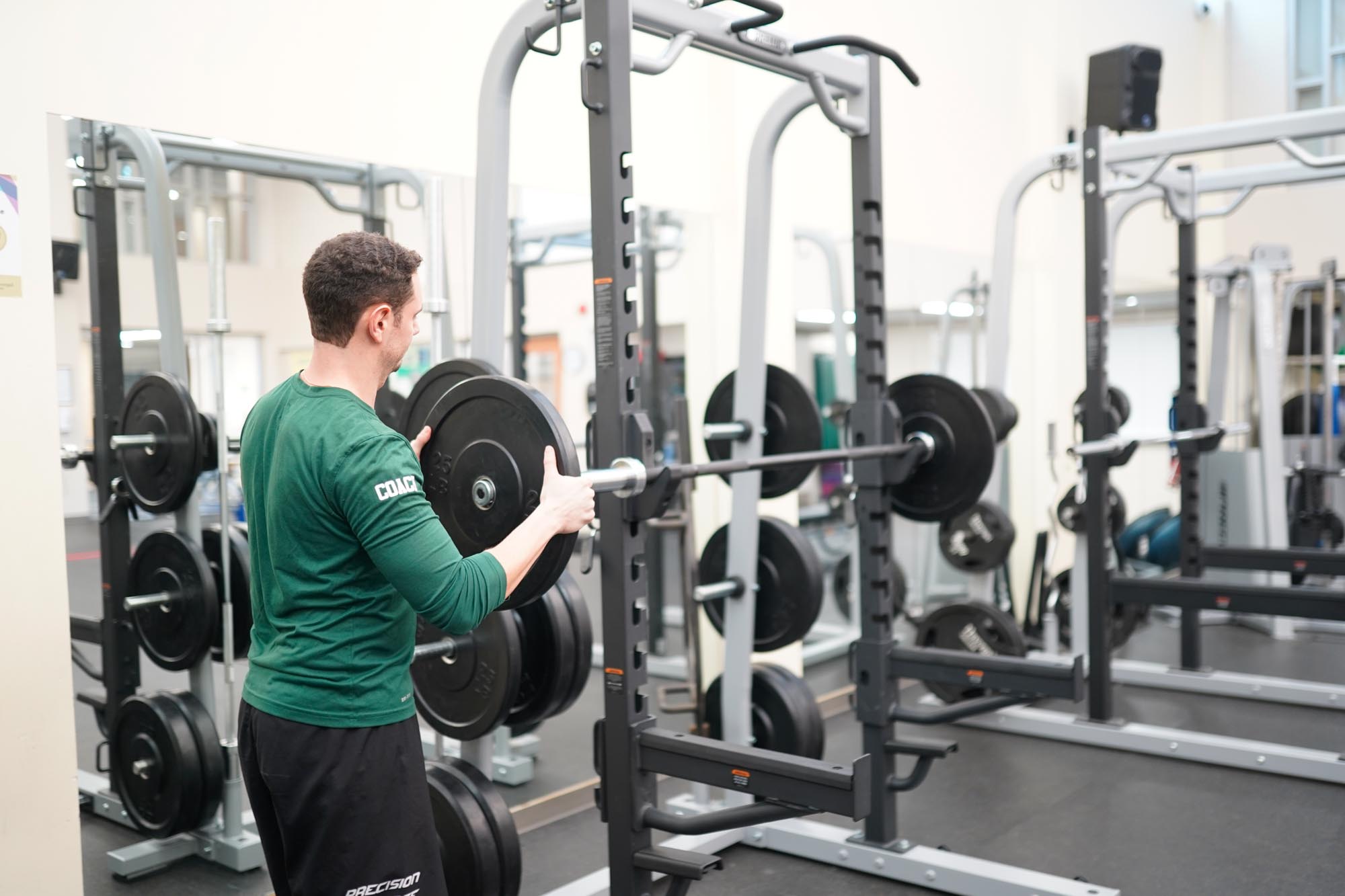


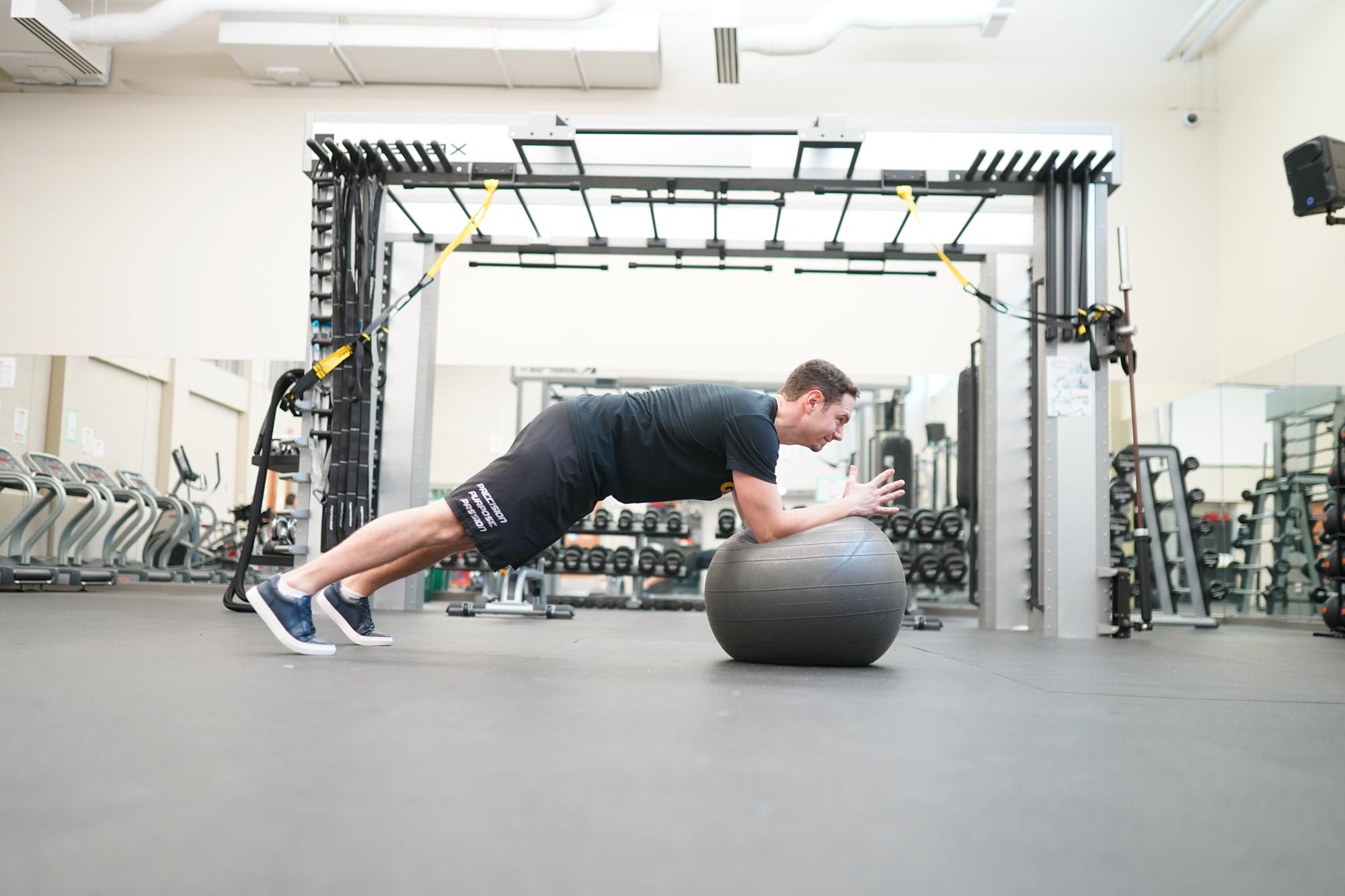
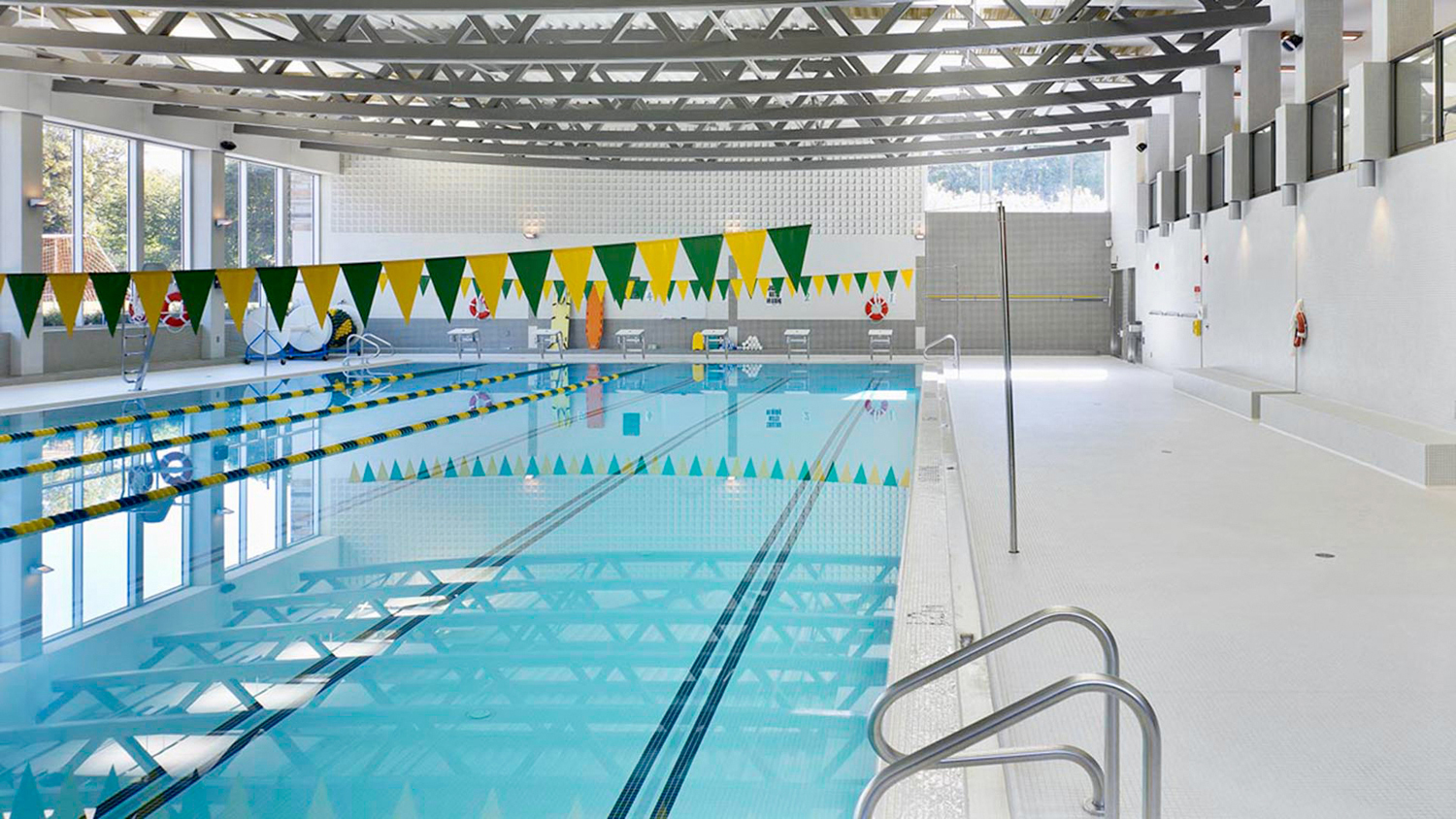
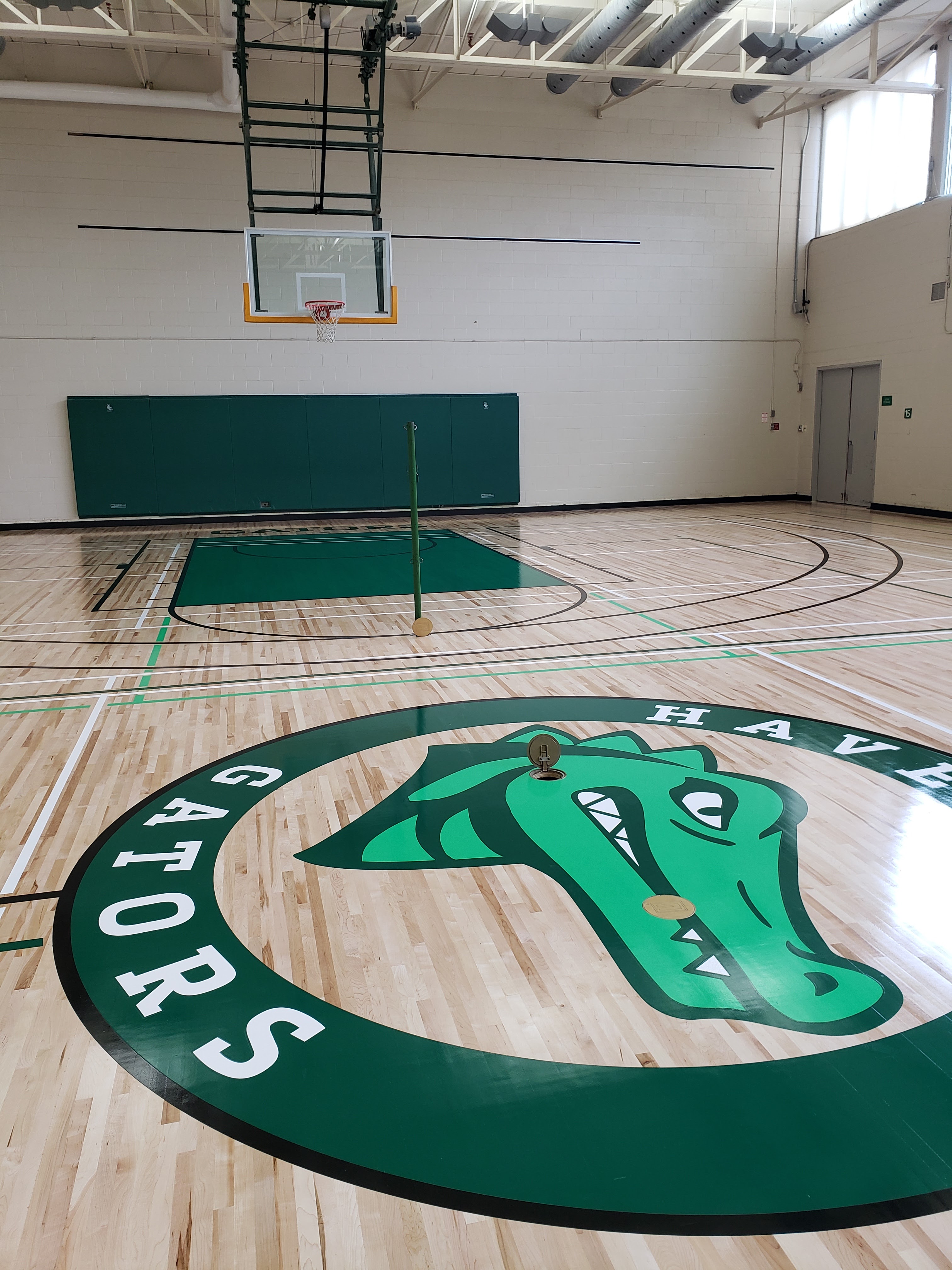
In addition to the expert support and guidance from specialists, Havergal also has impressive indoor and outdoor athletic facilities to promote a culture of wellbeing and physical fitness for all. Some key features include:
- Two hardwood and one ElastiPlus gymnasiums.
- A 25-metre competition swimming pool.
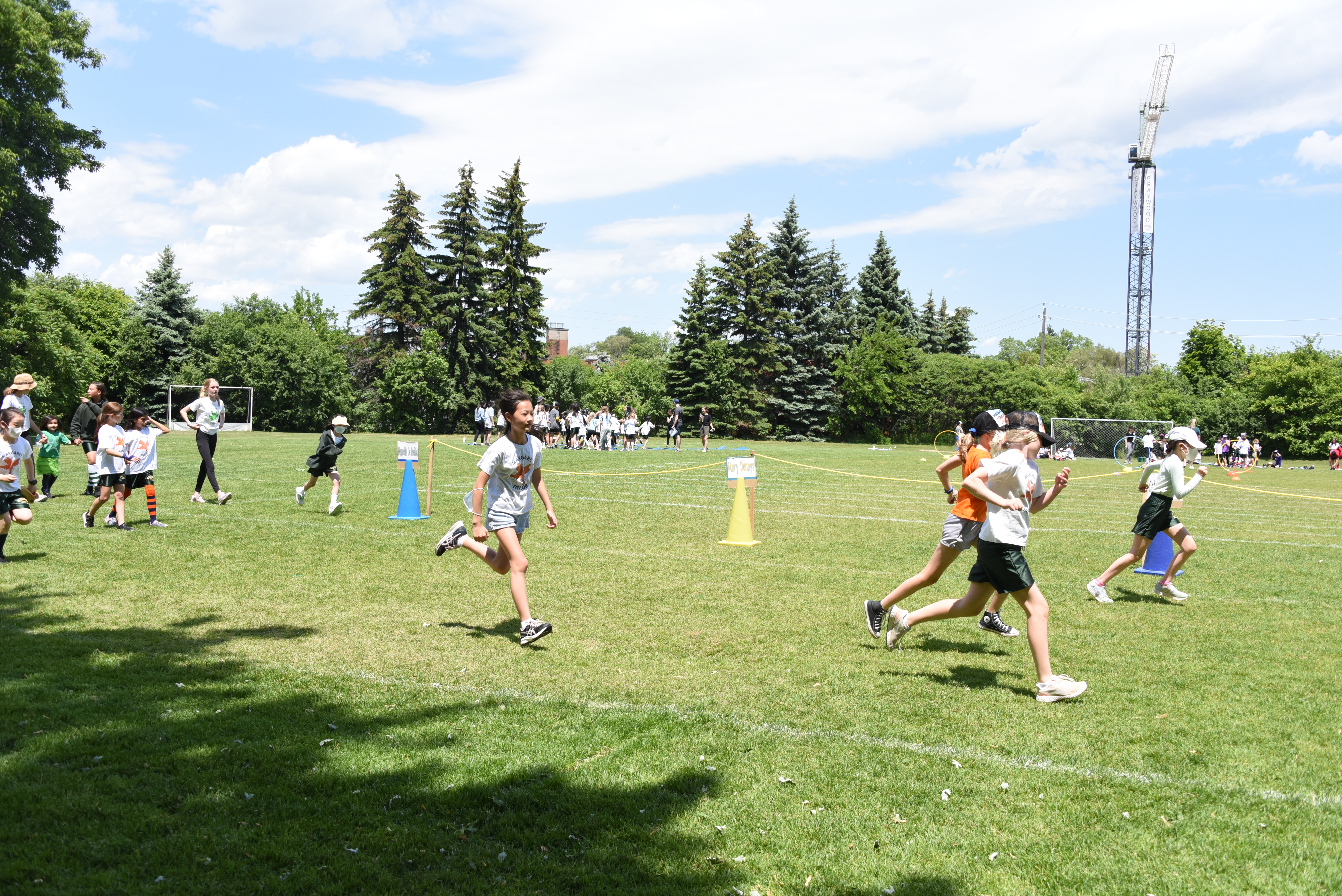
- Three outdoor grass fields.
- Six tennis courts.
- A climbing wall with four manual and four automatic belays.
- A fitness centre equipped with various strength-training and cardio equipment.
- An outdoor disc golf course.
- Rowing machines and in-water training devices.
- A hardwood multipurpose activity room in the Junior School for our younger students to have space to move, especially in the winter.
“These spaces are so important to building community and prioritizing the healthy development of our students,” says Vice Principal of Wellbeing and Student Life, Krista Koekkoek. “We are so fortunate to have world-class, extensive facilities and fields in a downtown campus. Our students are quite literally surrounded by opportunities to build strategies to support their wellbeing, and see their teachers and coaches modelling these very behaviours.”
The Havergal College Athletics Program was designed to meet the needs of a diverse group of students and has the depth to challenge students at all stages of development. Recognizing that not all students will join a formal sports team, the school also provides a variety of opportunities for students to regularly get active. These include enrolling in Health and Physical Education courses for credits—for example the Grade 12 courses “Recreational and Healthy Active Living Leadership” and “Introduction to Kinesiology”—and participating in fun intra-school athletic opportunities, such as House intramurals and staff versus student competitions.
With so many ways to get active on campus, Havergal’s holistic approach fosters an environment where athleticism transcends competition, nurturing balanced minds and bodies for a healthier future.







Published April 2024
2023–24 Issue