Havergal’s Winning Strategy
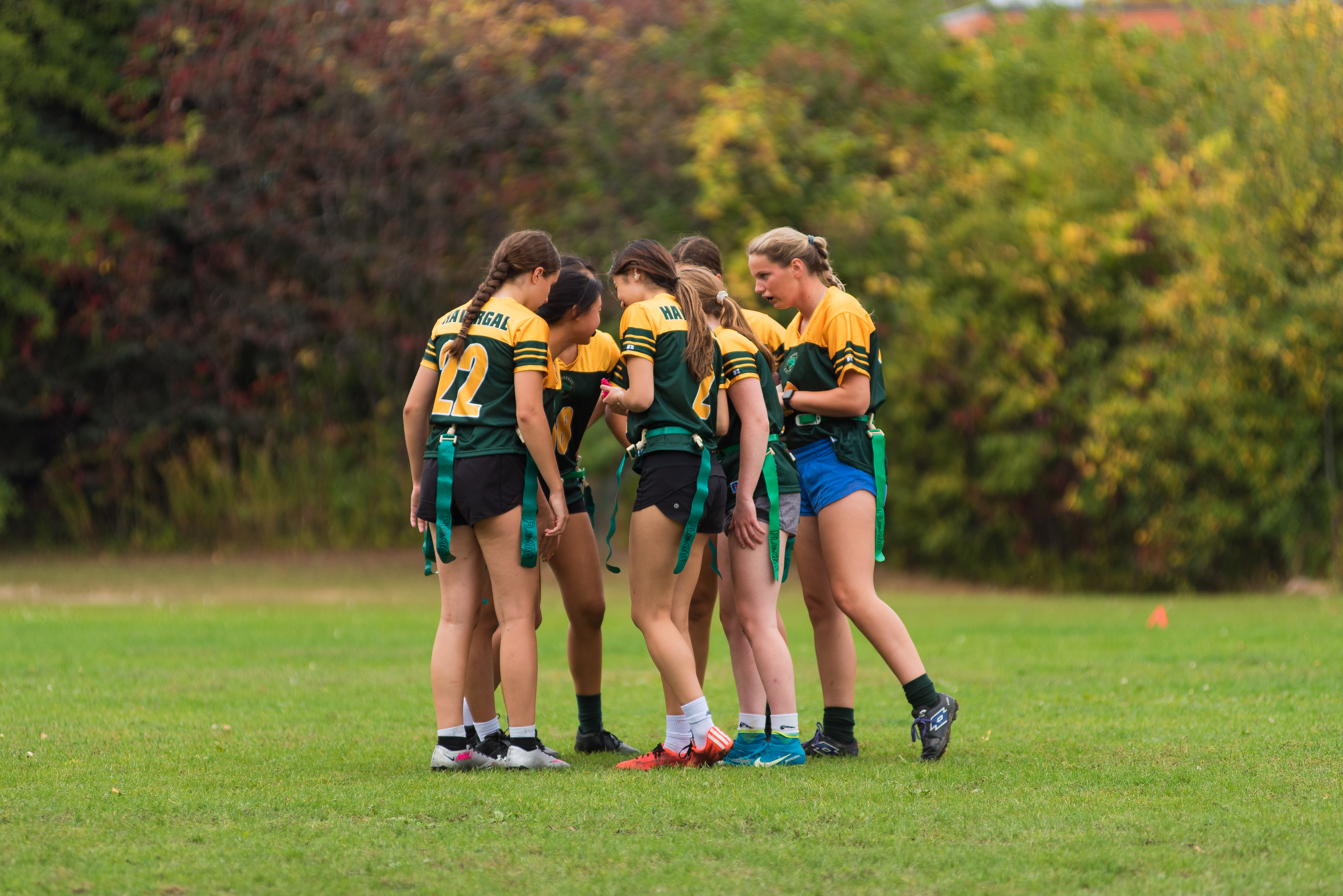
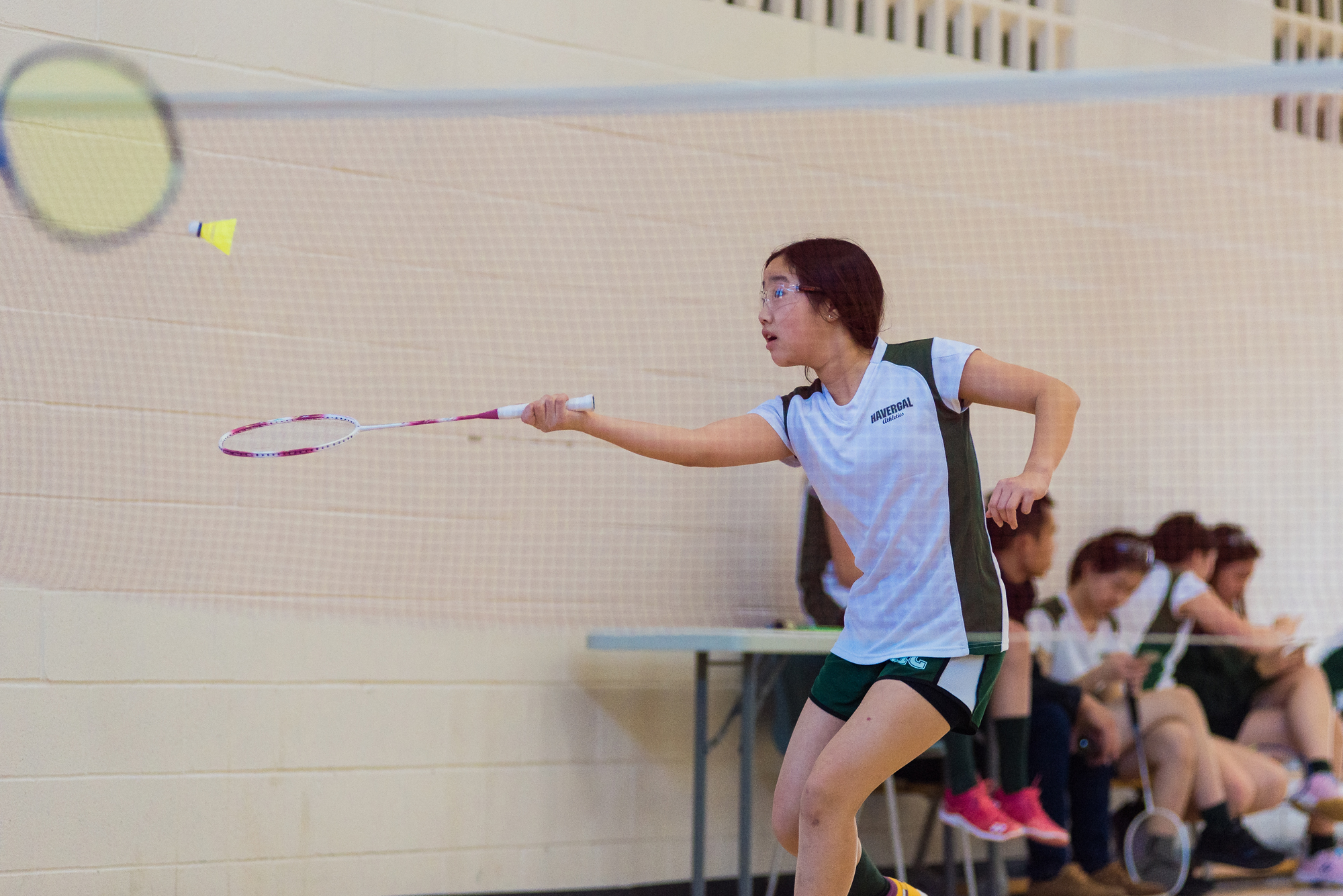
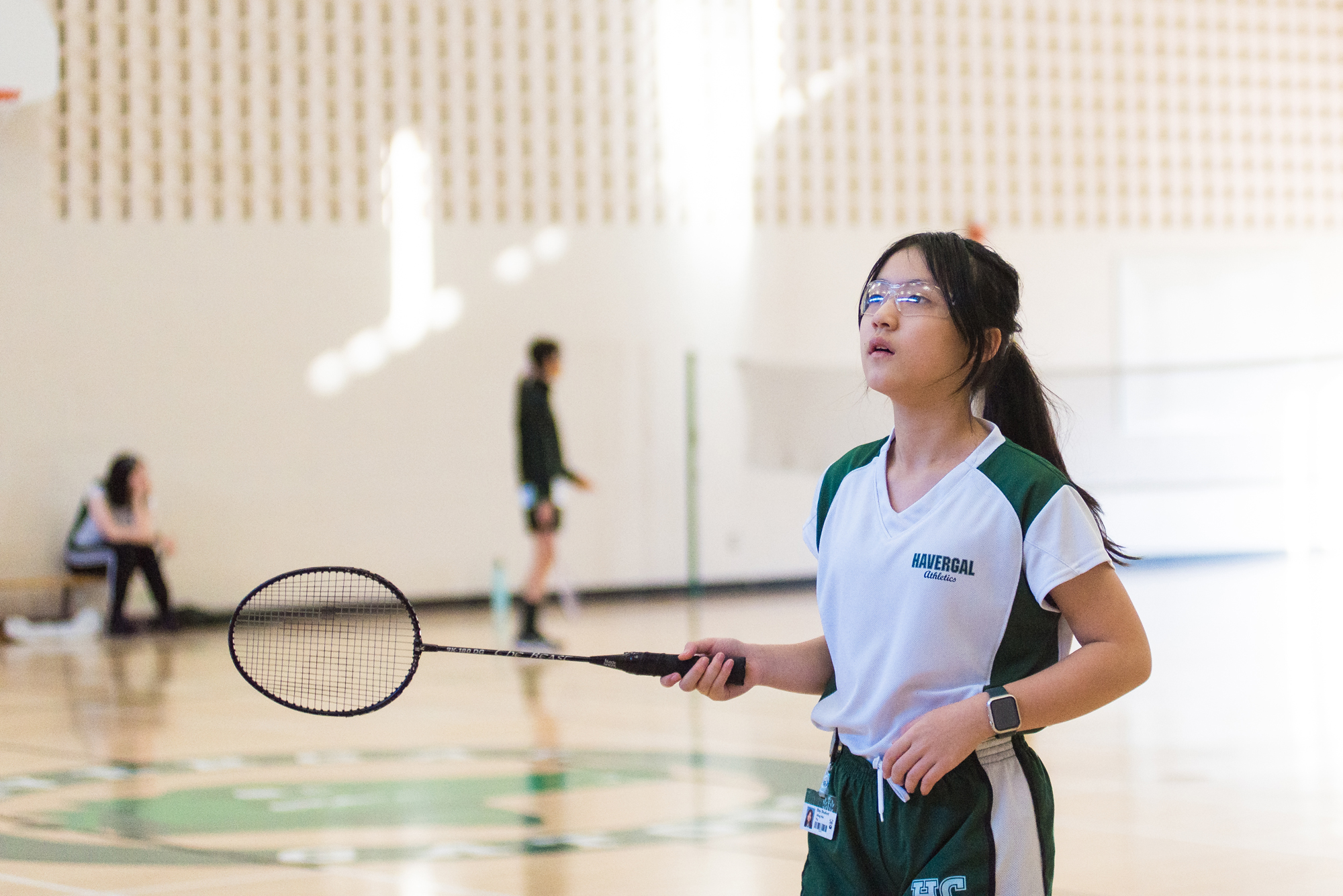
At Havergal, elite athletes are celebrated, but so are the students who learn to use the gym consistently or who have the courage to take up a new sport for the first time (such as a student with no experience joining the Nordic Ski Team in Grade 10). After all, it’s about creating habits you can take with you for life. “We try to offer programs that meet the needs of every student when it comes to physical activity,” says Upper School Athletic Director Carla Di Filippo. “Our goal is to develop confidence in our athletes so that when they graduate, they have the assurance they need to continue to be active.”
Krista Koekkoek is Havergal’s Vice Principal of Student Life and Wellbeing, and she oversees the school’s co-curricular programs (Athletics, Arts, Clubs and Student Leadership), as well as student support departments (Guidance, Social Work and the Health Centre). Koekkoek says that all of the skills students learn in athletics are useful in a broader sense. “We try to create an environment where trying new things is encouraged and where not always succeeding is OK. That’s how we learn, develop regulation and coping skills and nurture our self-understanding,” she says.

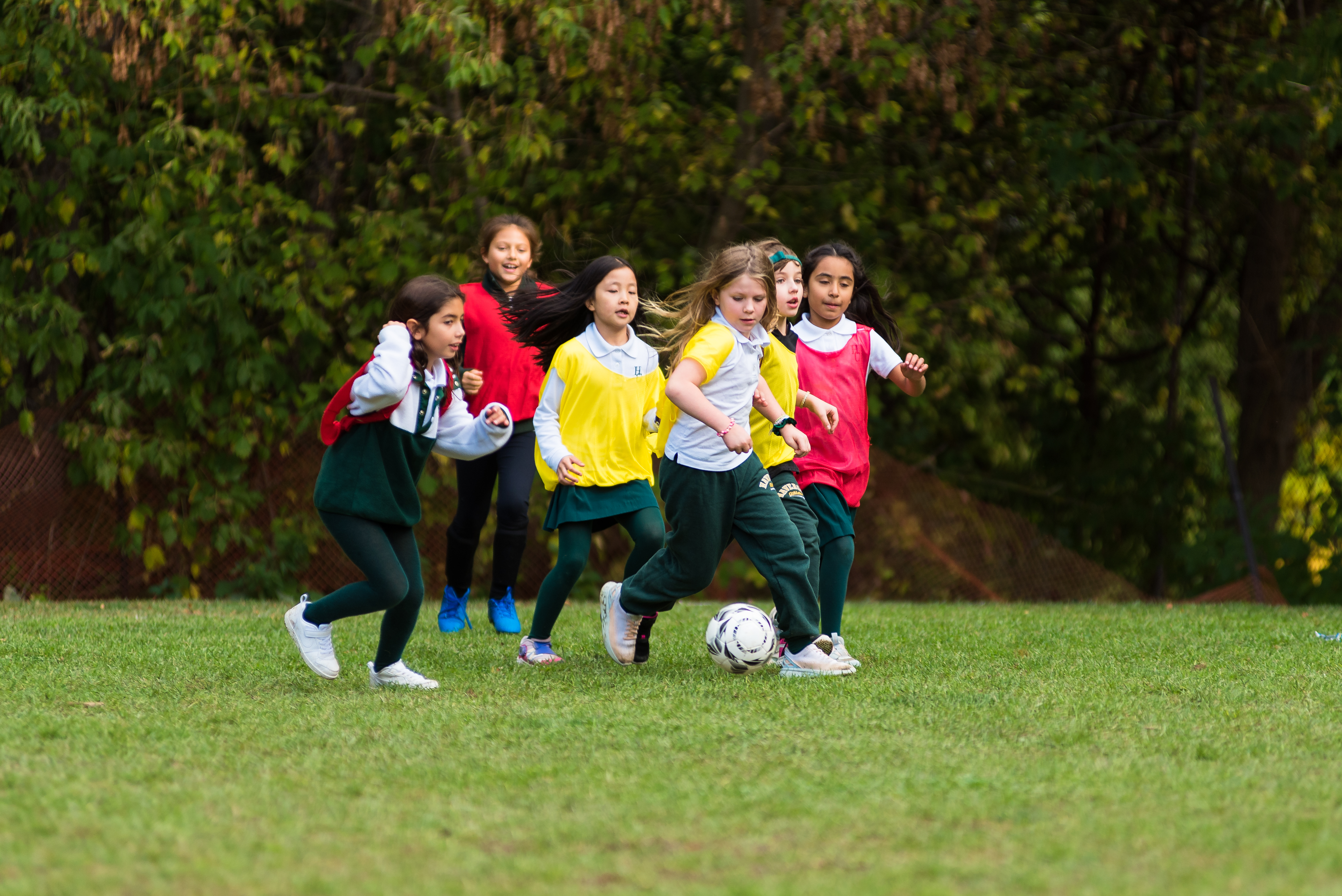
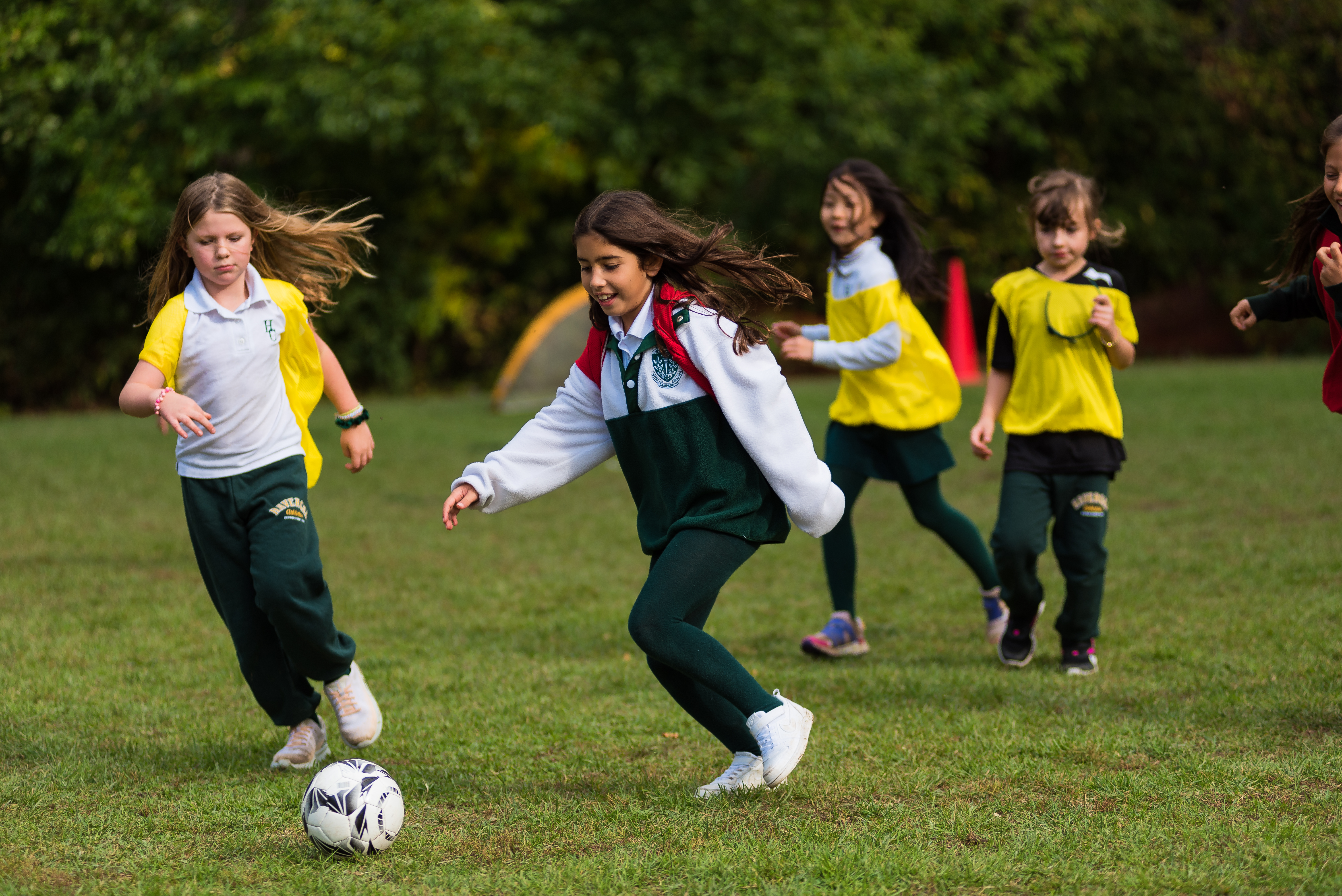
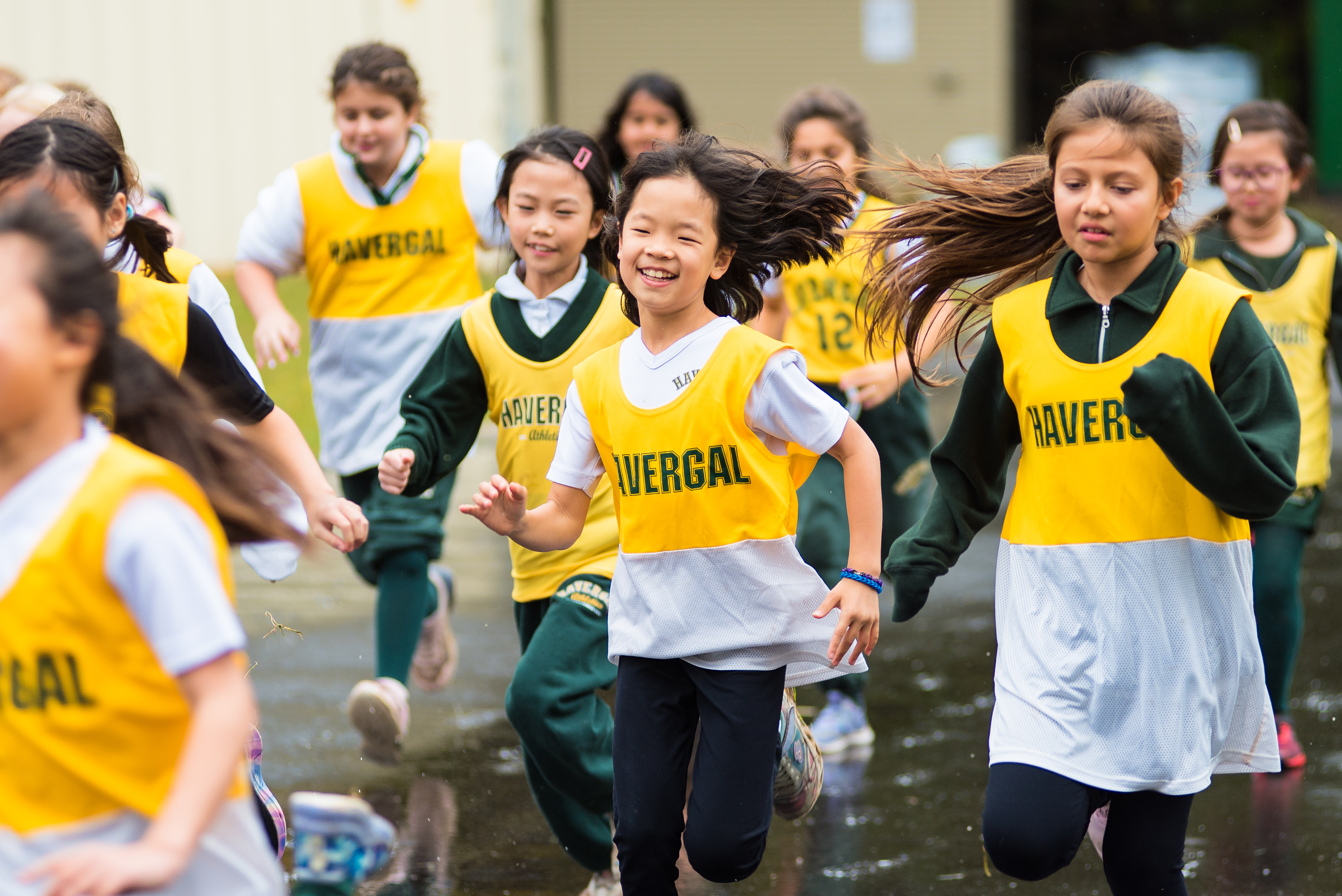
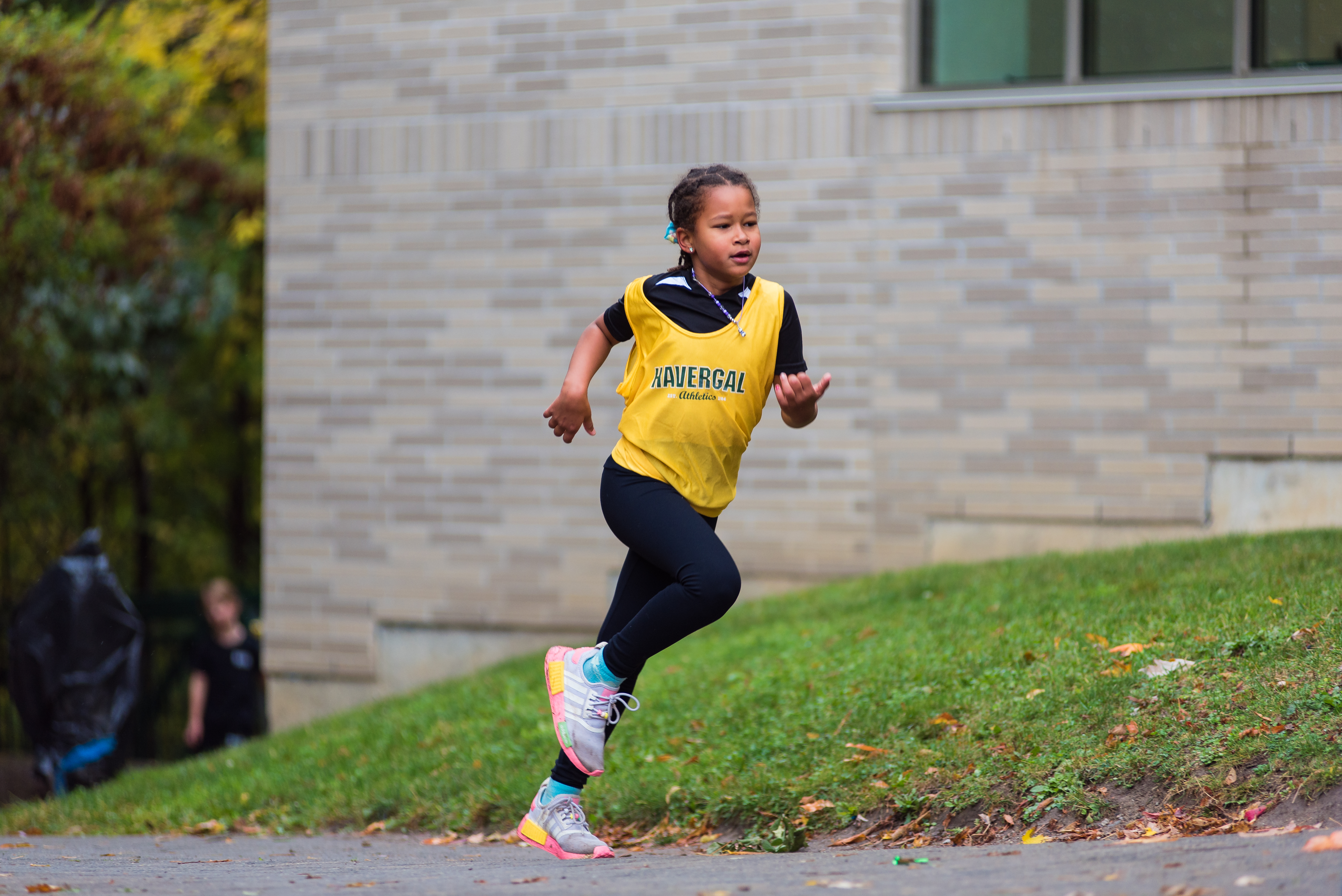
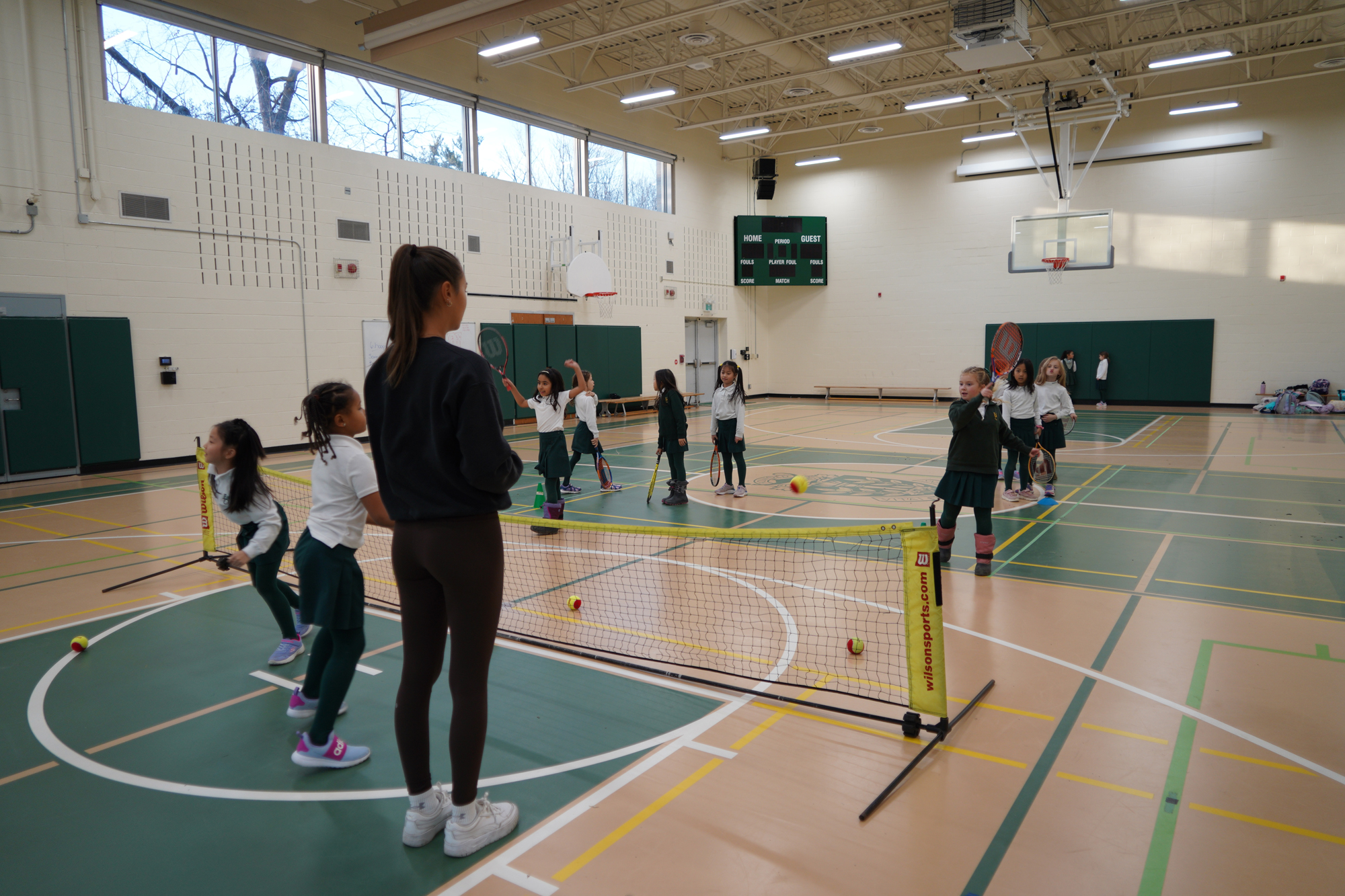
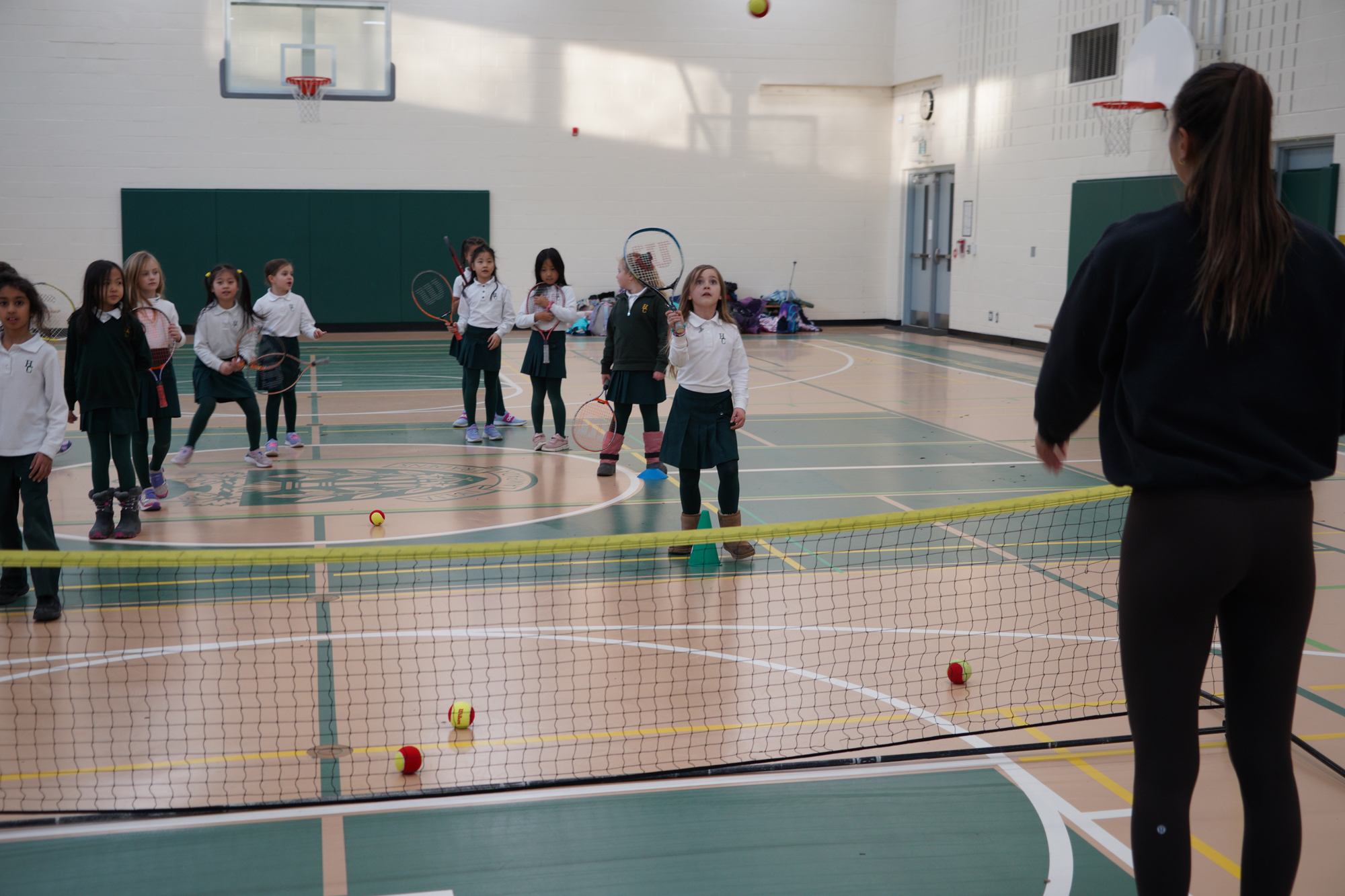
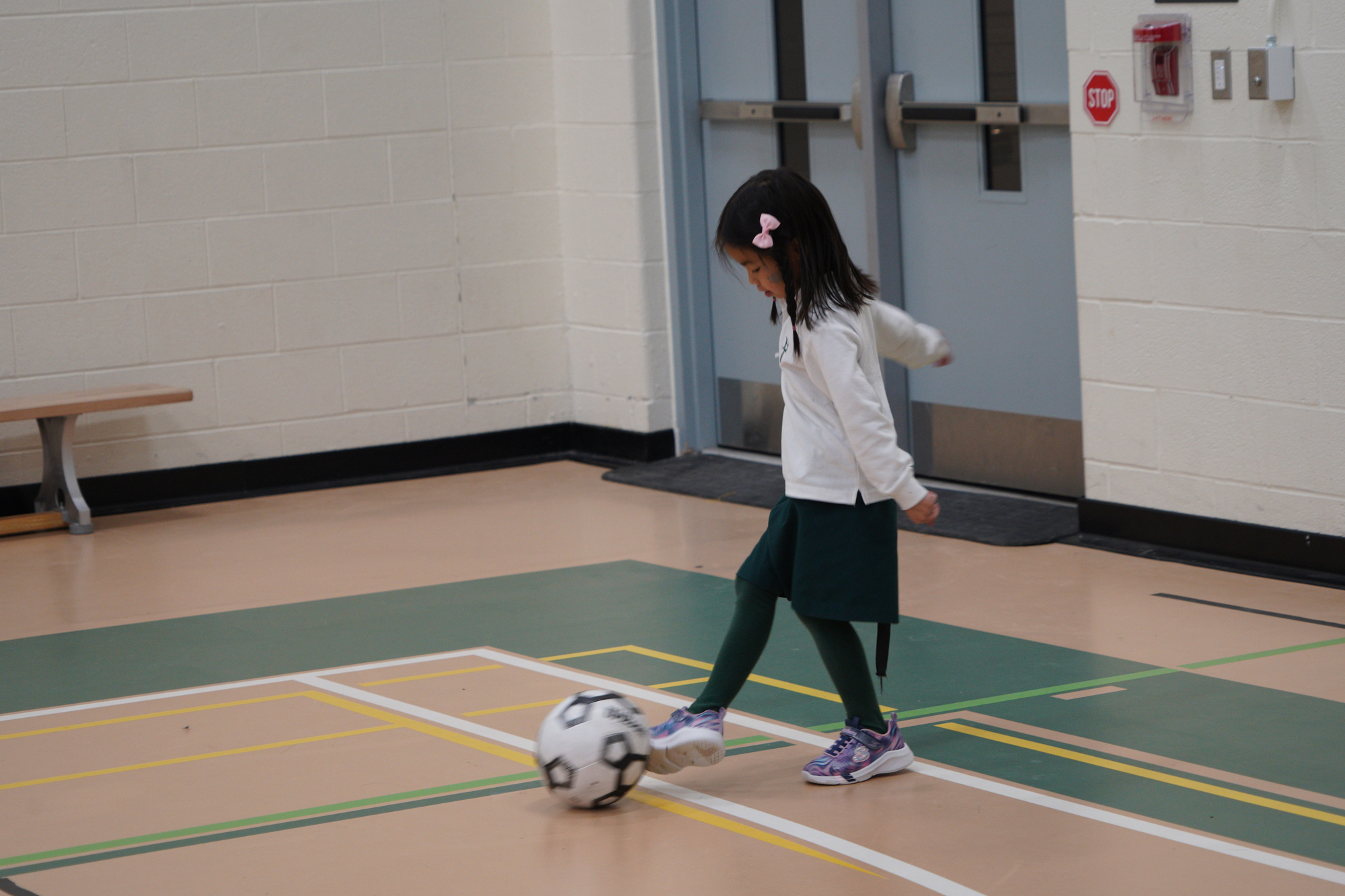
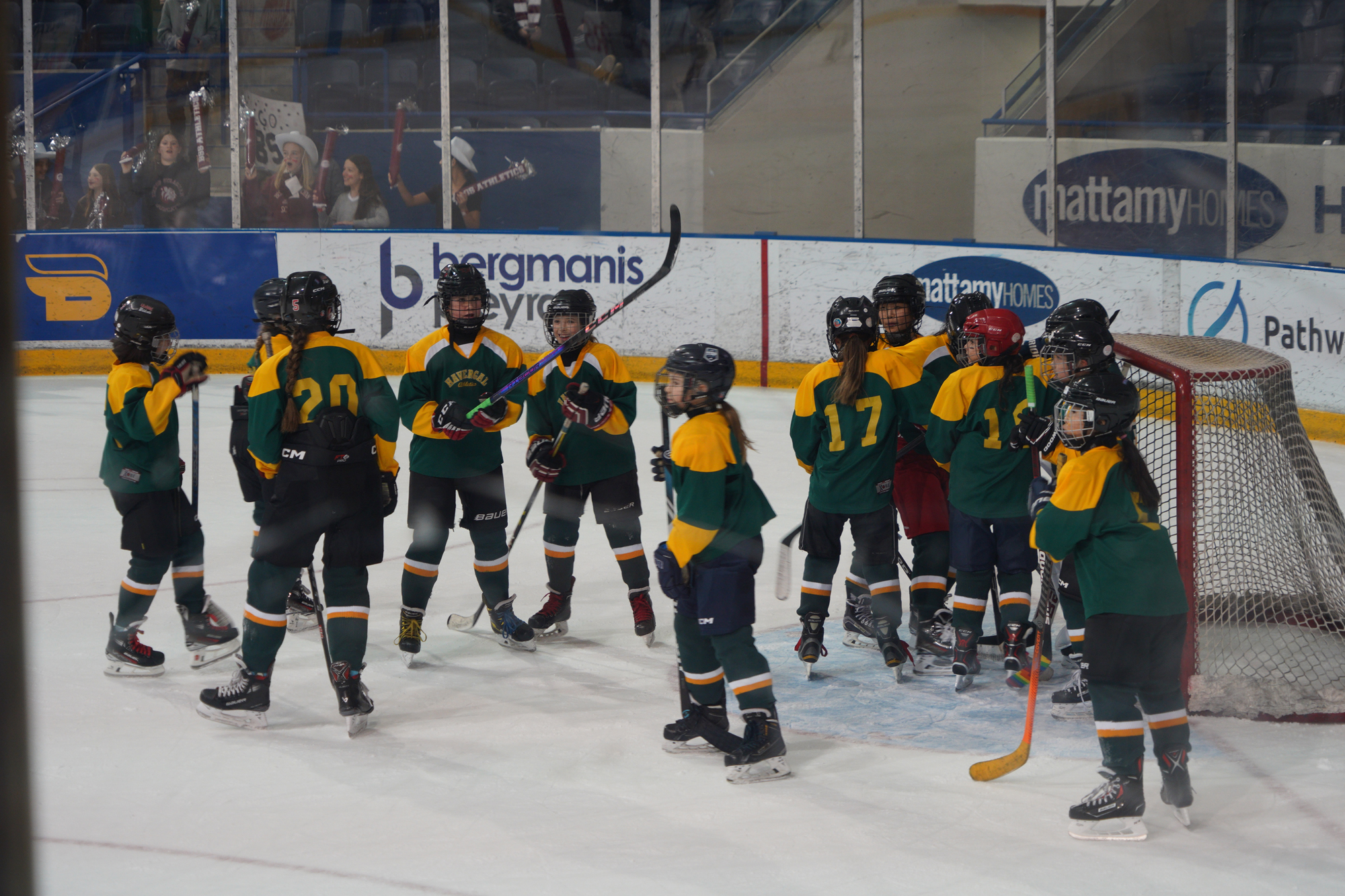
Cultivating the sense that everyone can and should be active starts early at Havergal. Students in the Junior School are divided into Squads, Squad Teams or Teams. In Grades 1 to 3, Squads meet weekly to develop basic skill development. By Grade 4, they join Squad Teams where they practise weekly and attend two to three mini tournaments during the year. Teams meet twice weekly to practise and compete in Conference of Independent Schools Athletic Association (CISAA) tournaments with other schools.
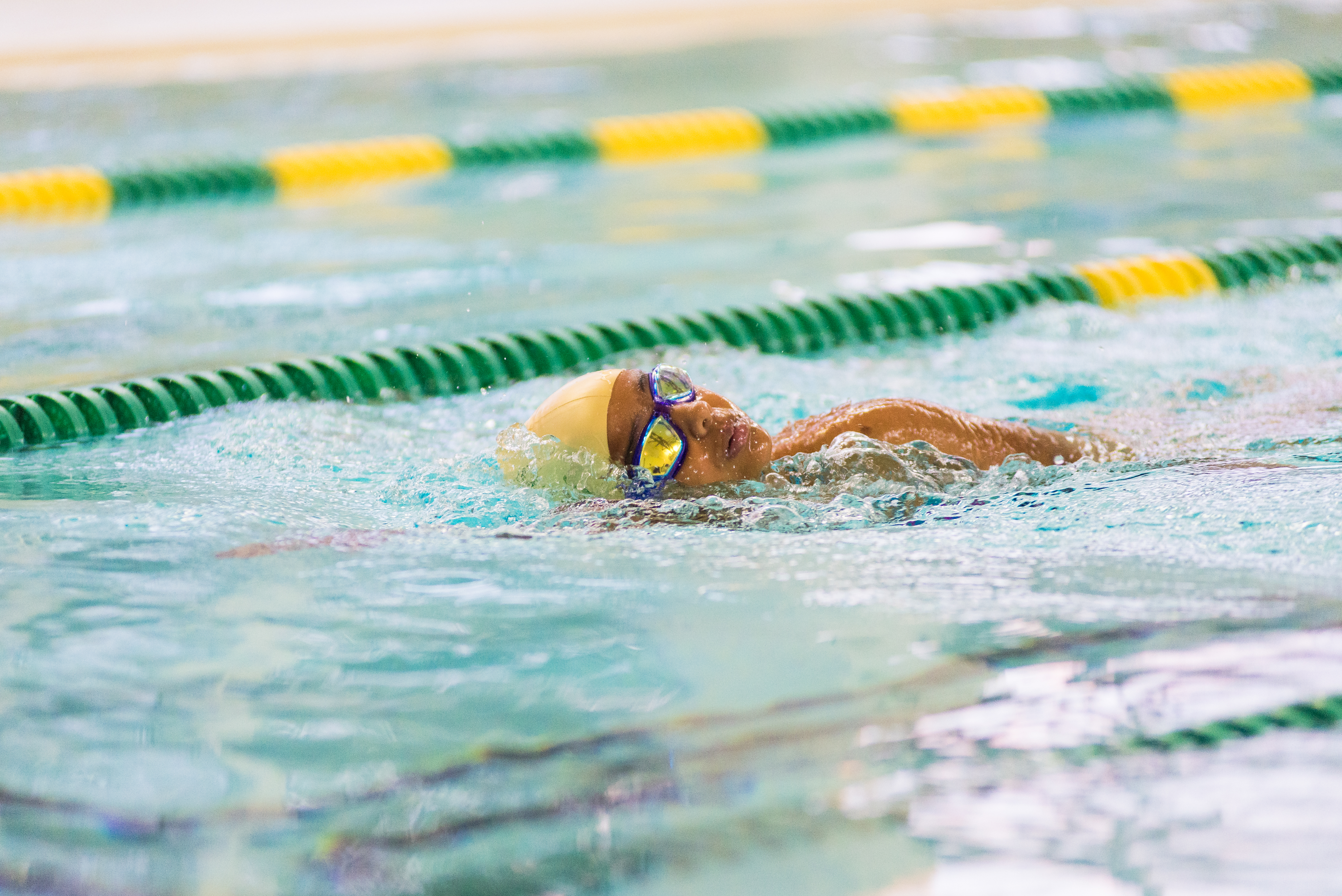
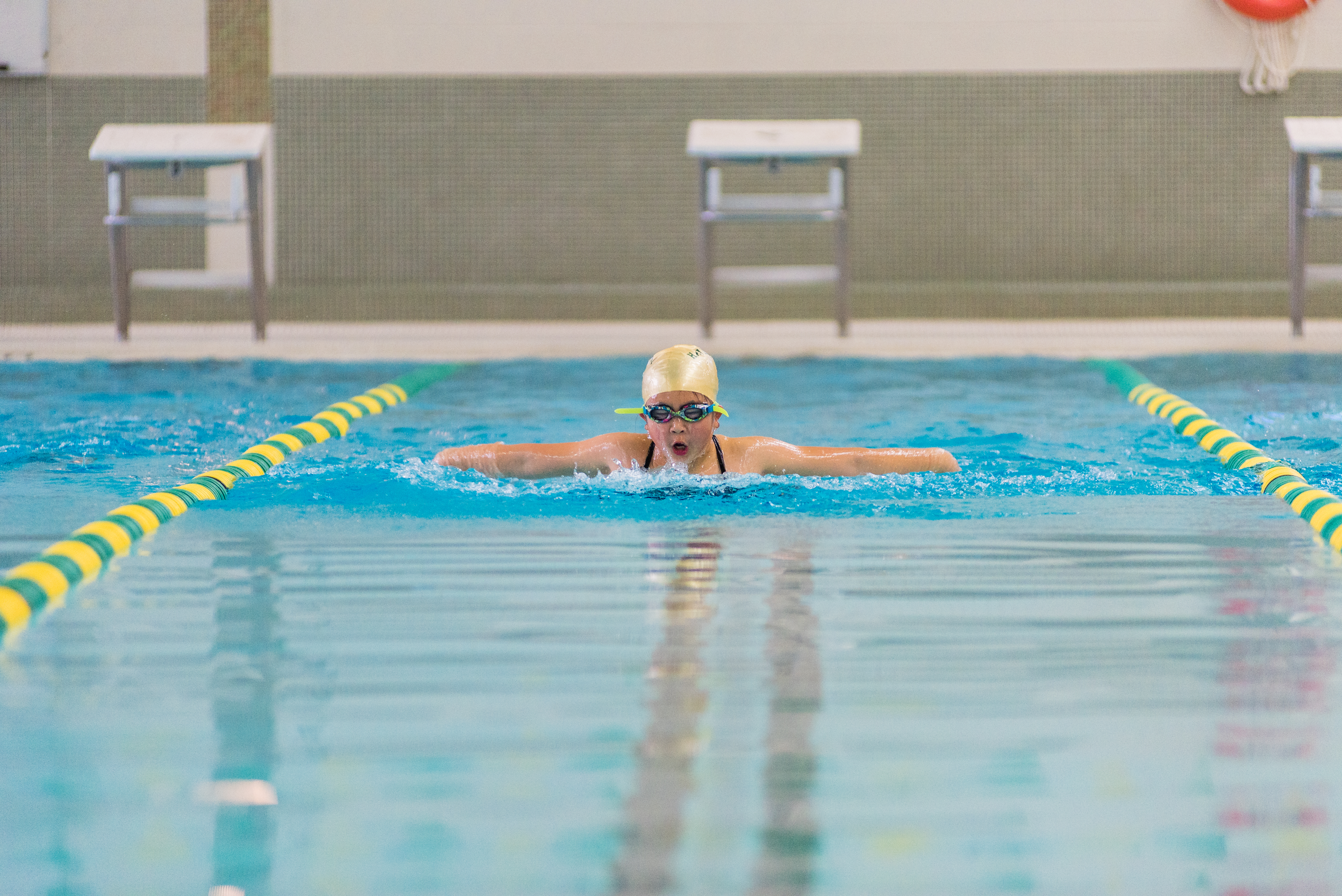
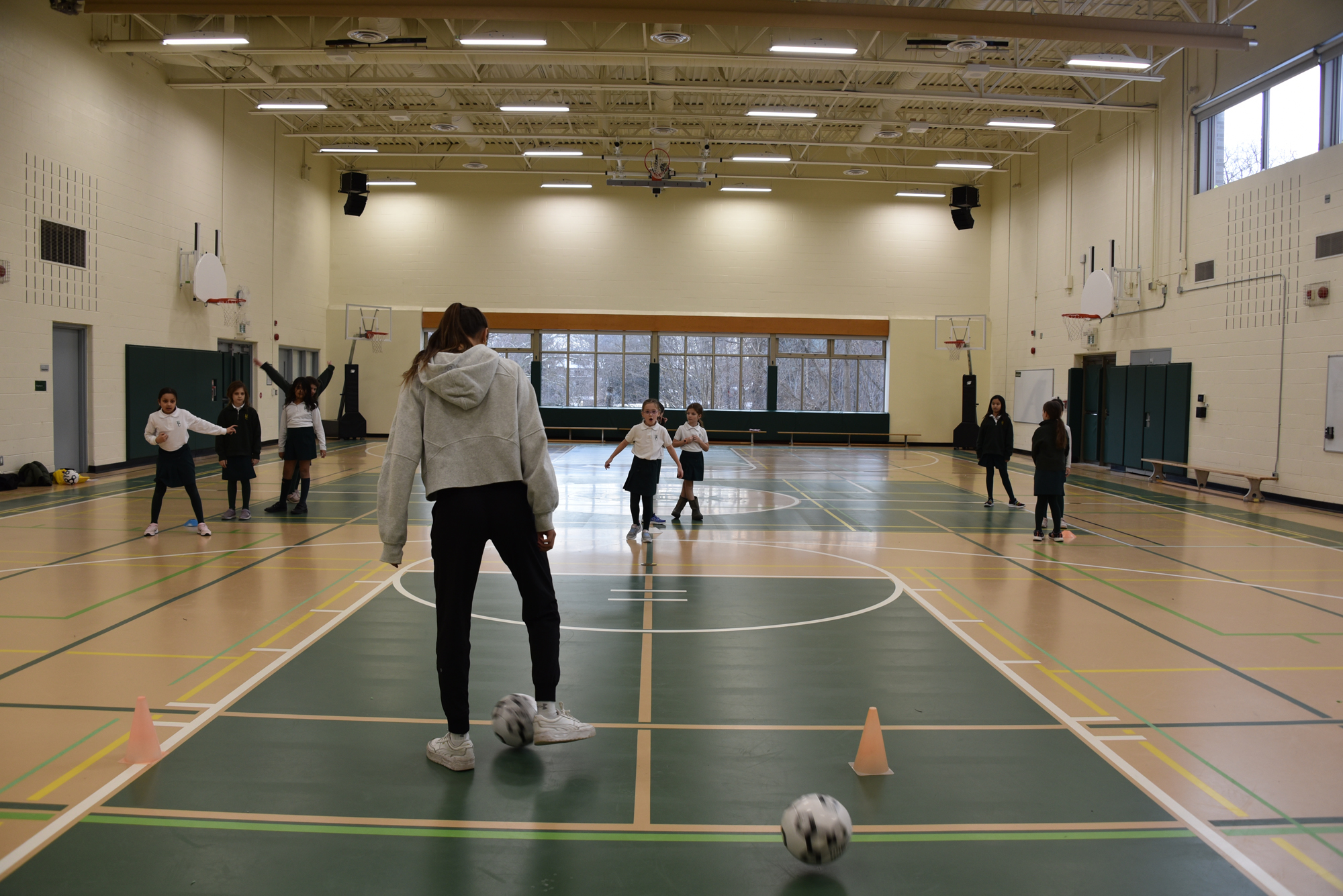
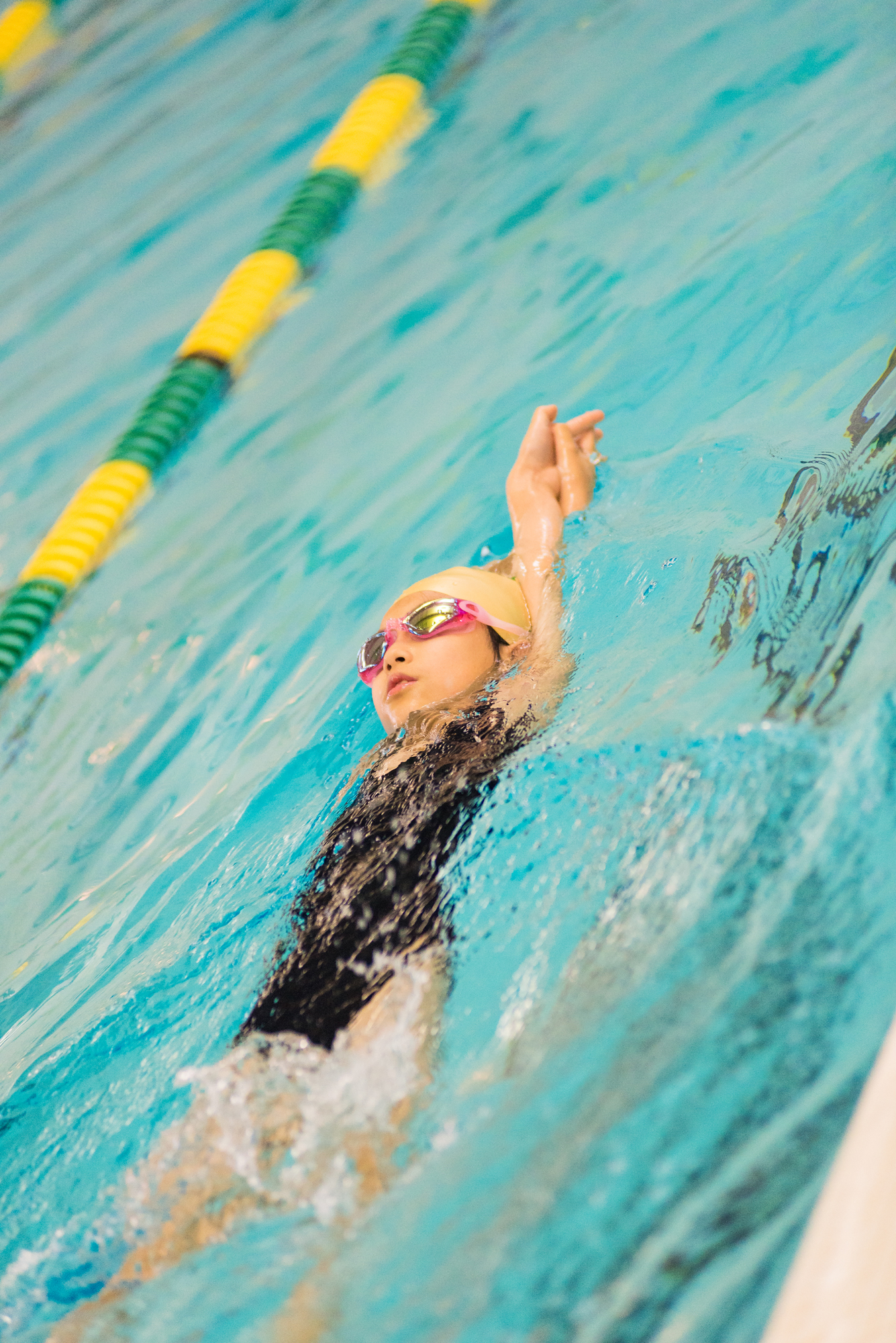
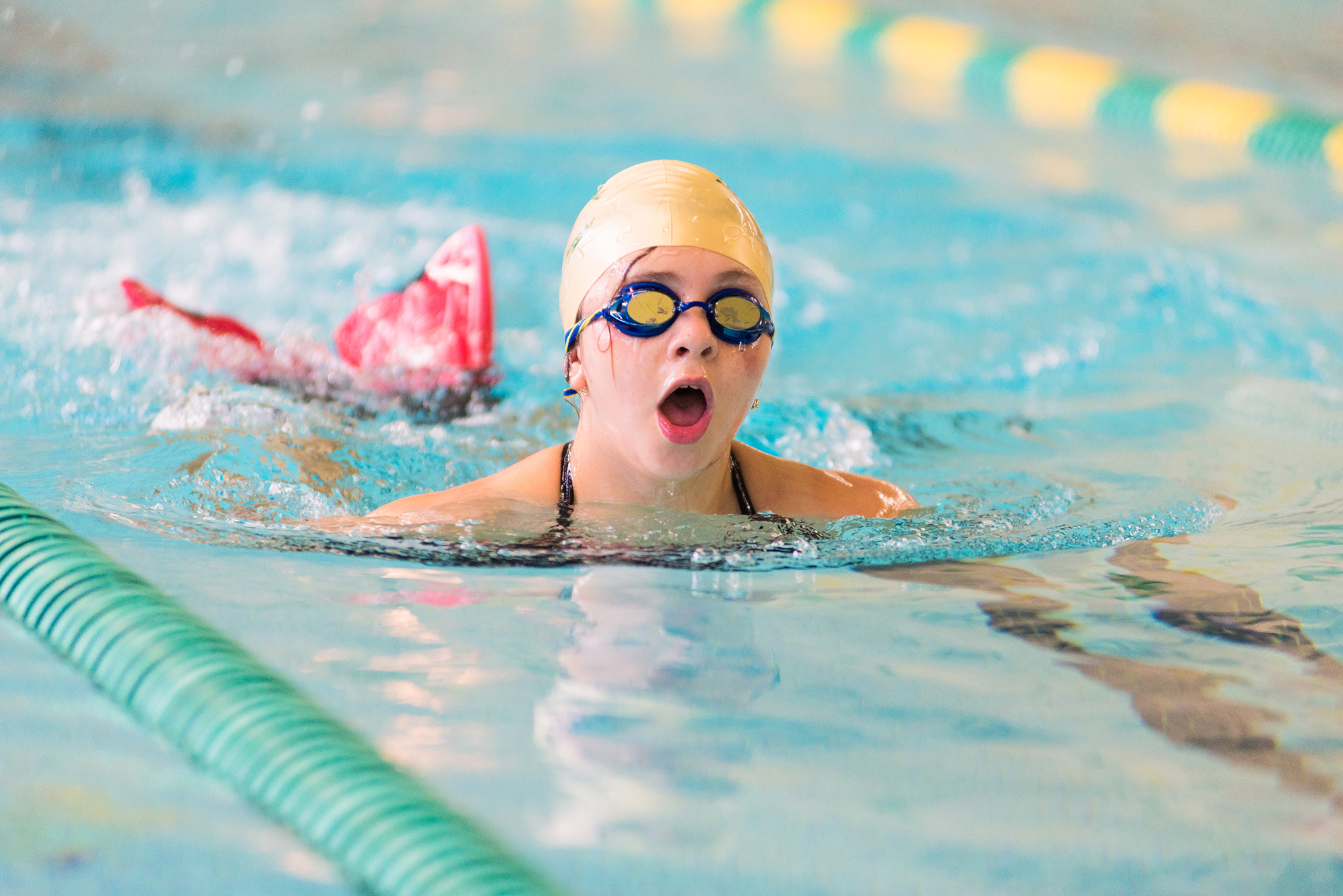
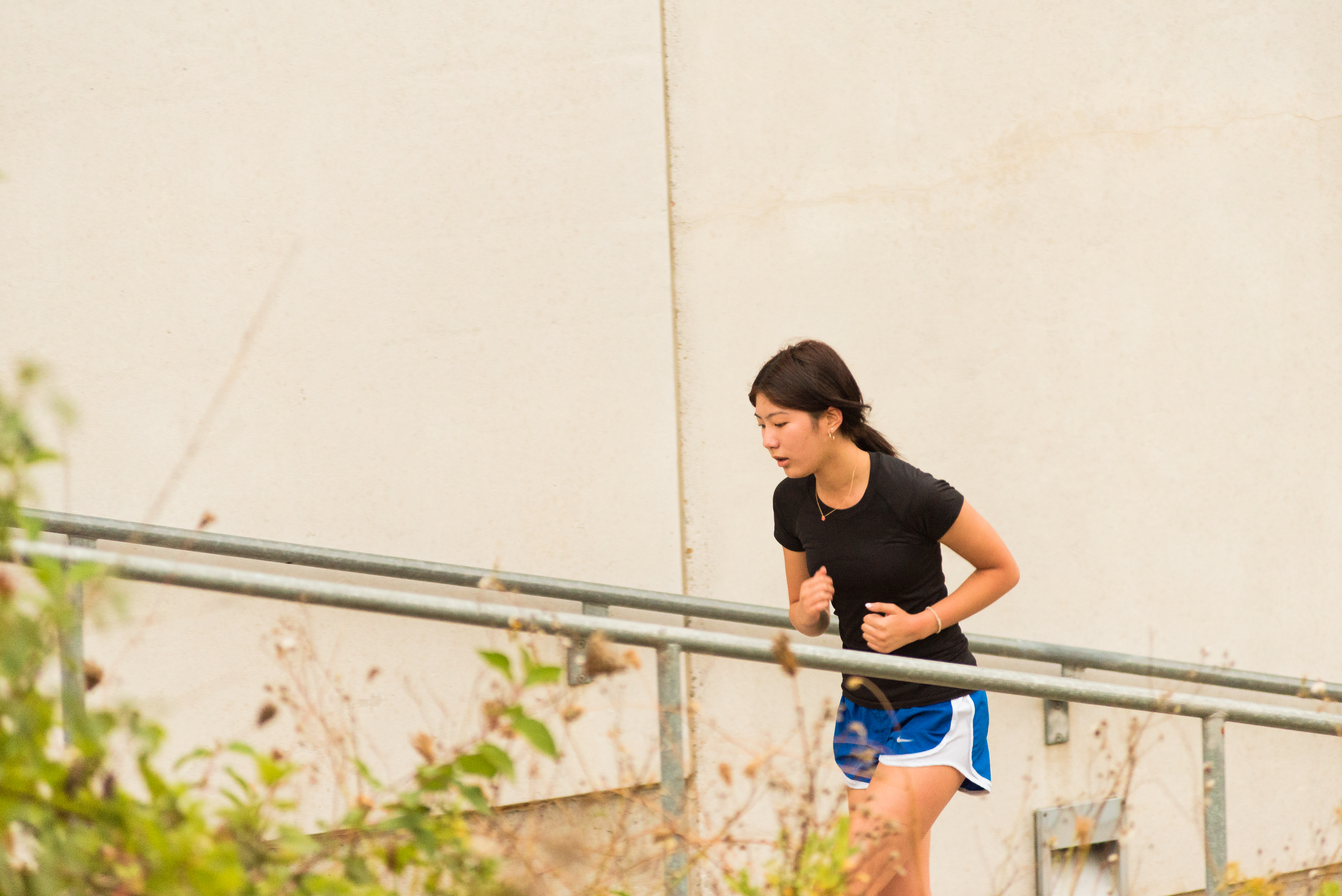
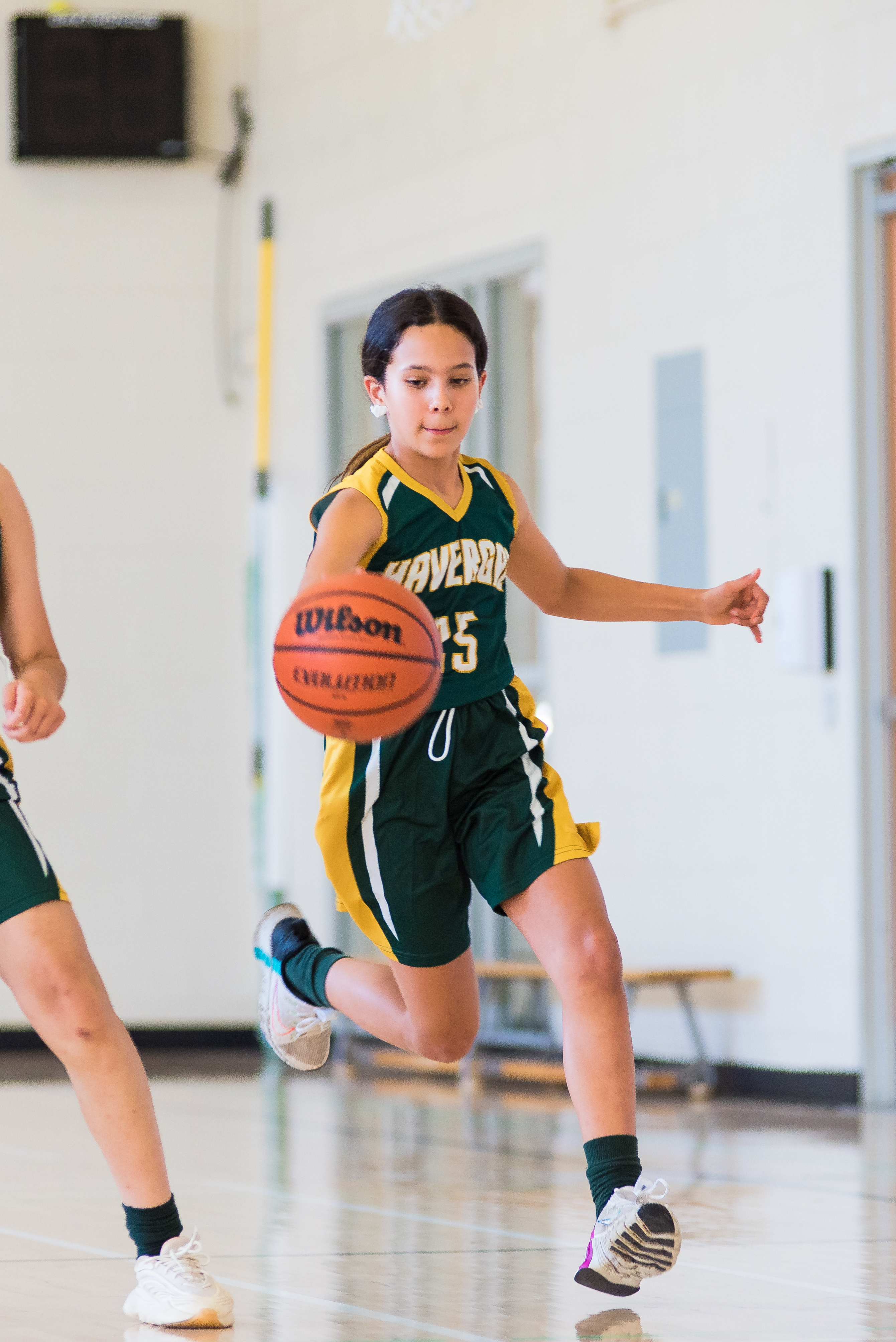
For Junior School athletes, the teams are equal in numbers and no one gets cut during tryouts. Sports include cross country, soccer, swim and basketball, just to name a handful of options in the fall. Students also take hour-long physical education classes every other day, where they work through a health curriculum that includes everything from healthy eating to internet safety to skills development such as kicking, swimming and jumping.
Our goal is to develop confidence in our athletes so that when they graduate, they have the assurance they need to continue to be active.
Carla Di Filippo, Upper School Athletic Director

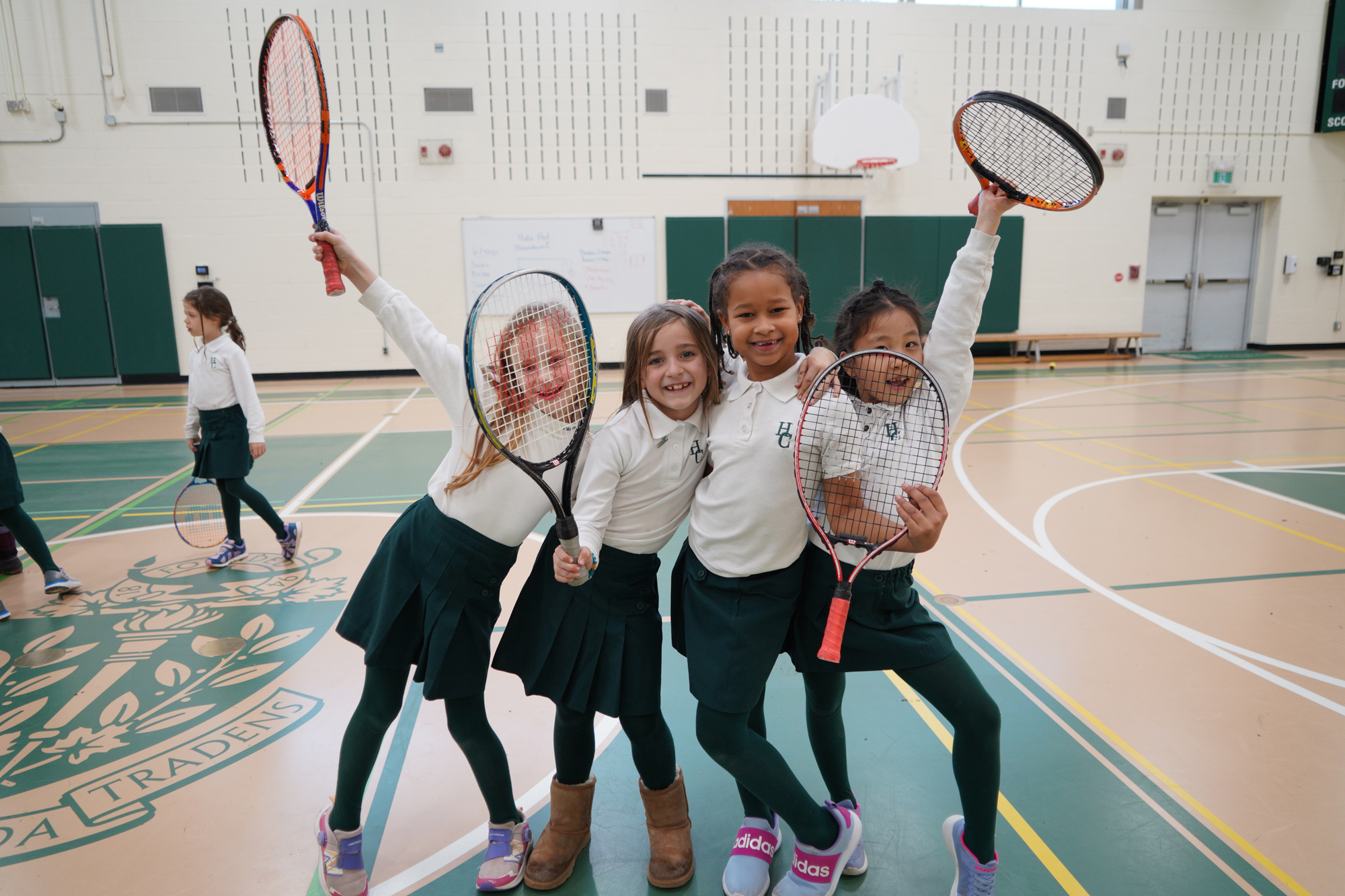
Anna Bartlett, the Junior School Athletic Director, says she loves this age group for the fact that students are usually open to trying anything. It’s a time for students to build foundational skills and confidence. “The enthusiasm of our students is the best—at Havergal, students are up for trying new sports and we have the support of the school to back it up,” she says, adding that the school stands out for having a dedicated Athletic Director at the Junior level.
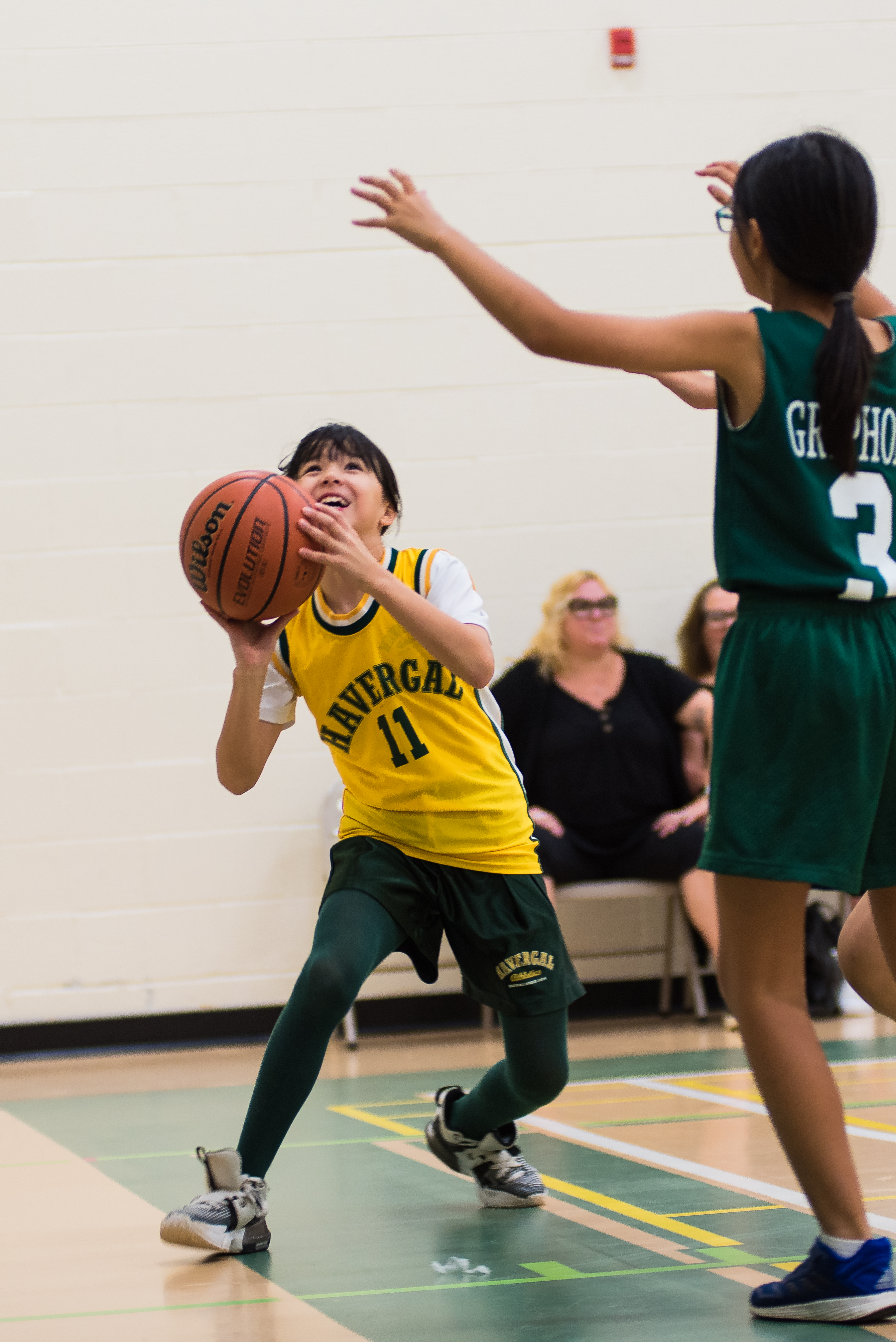
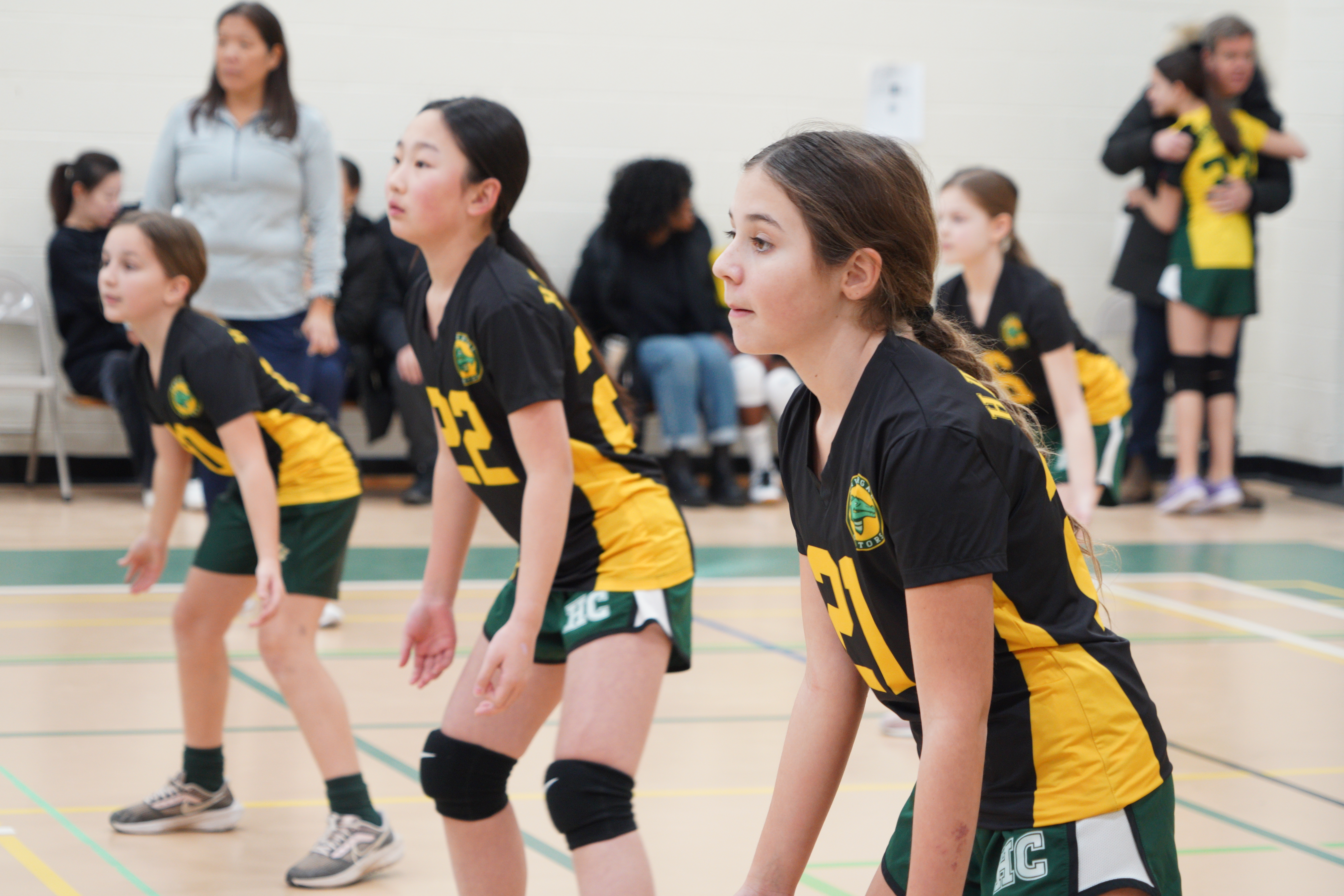
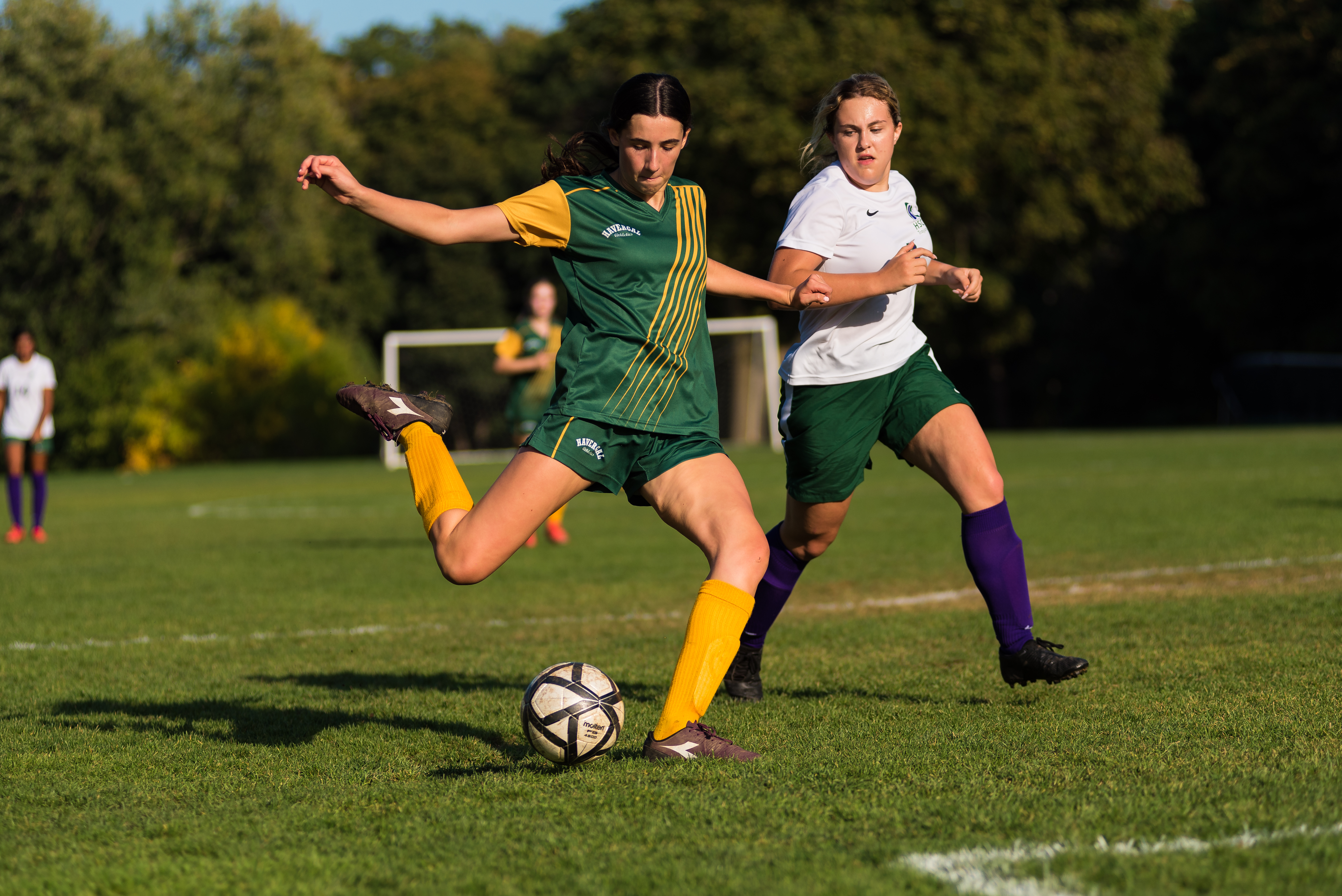
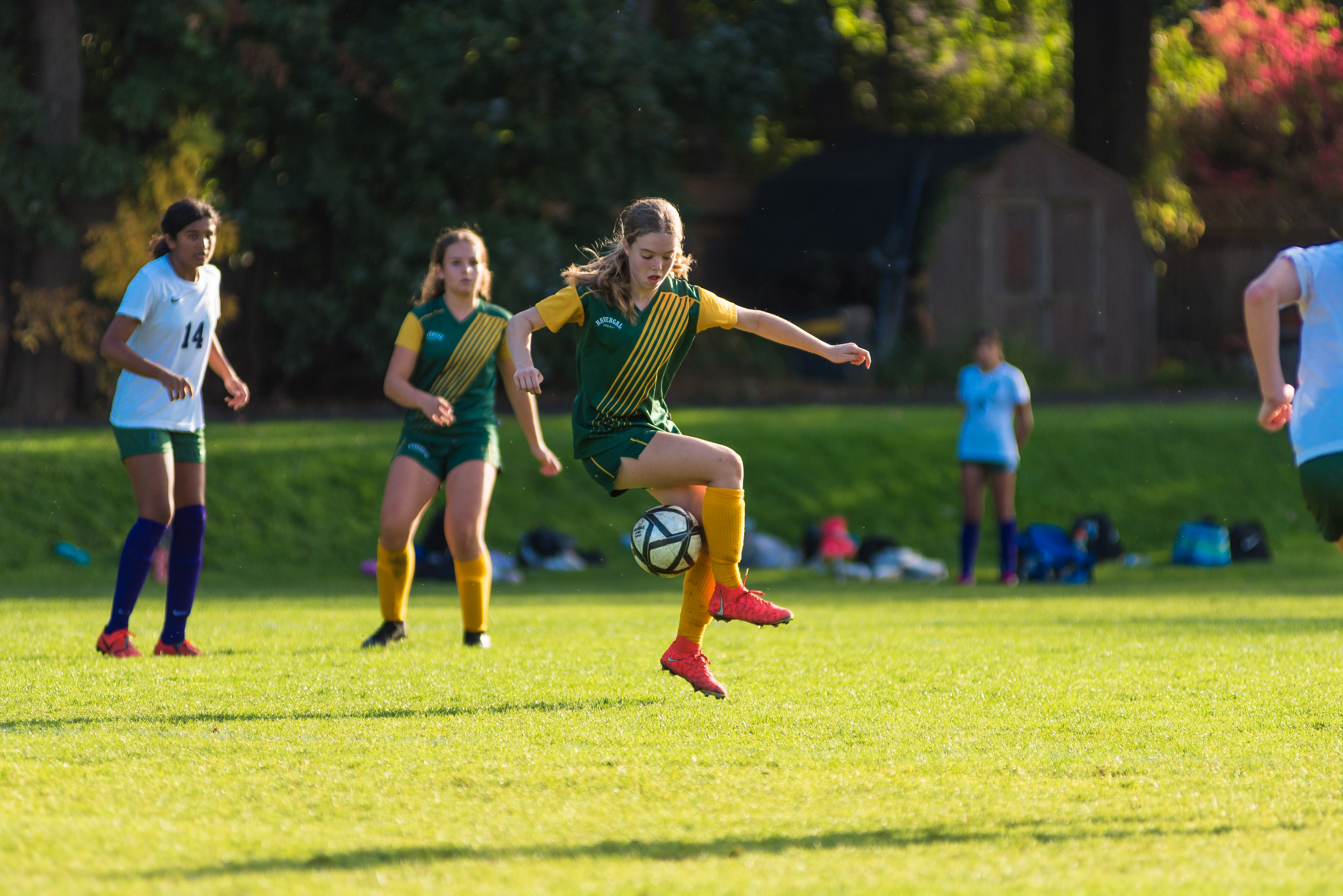
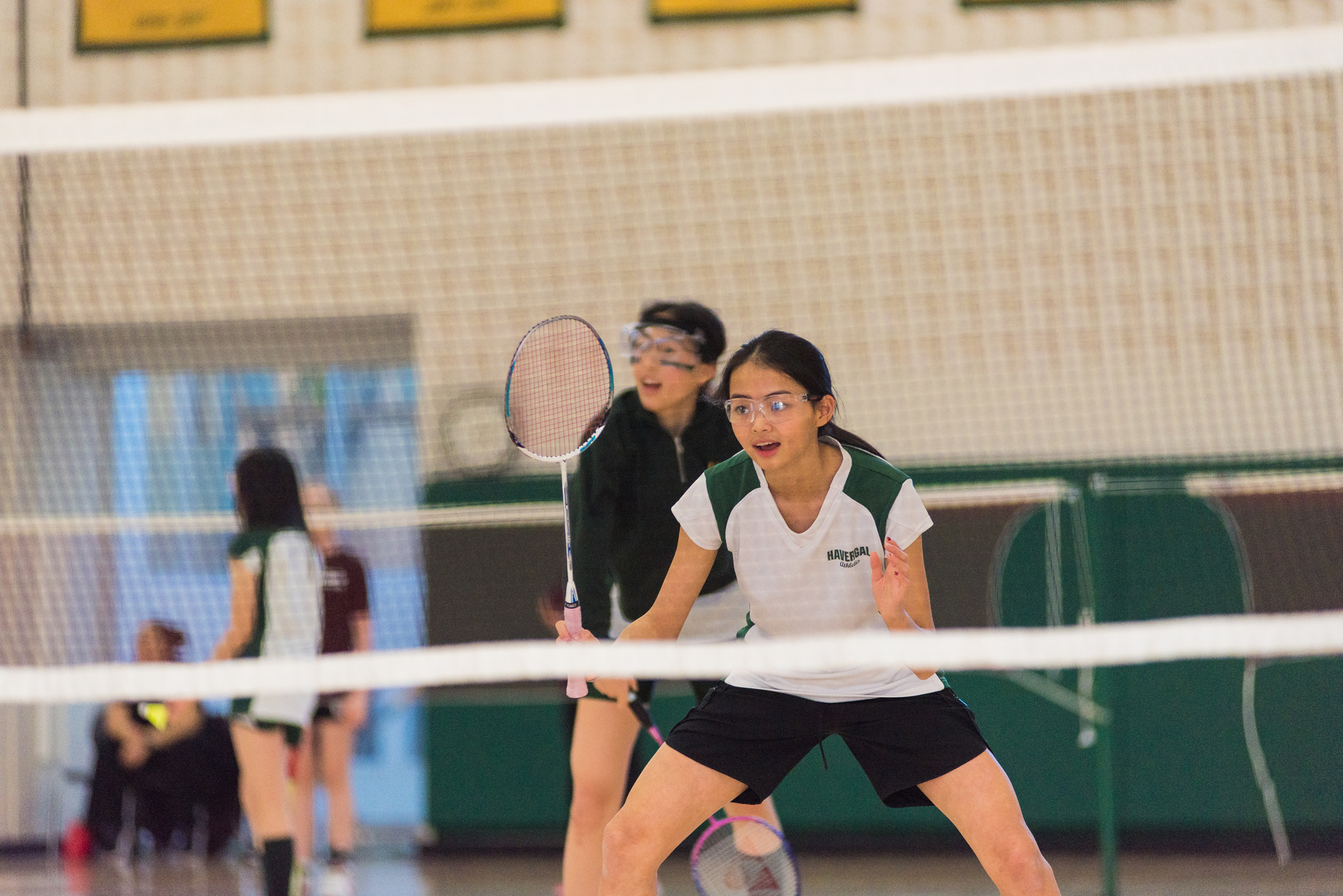
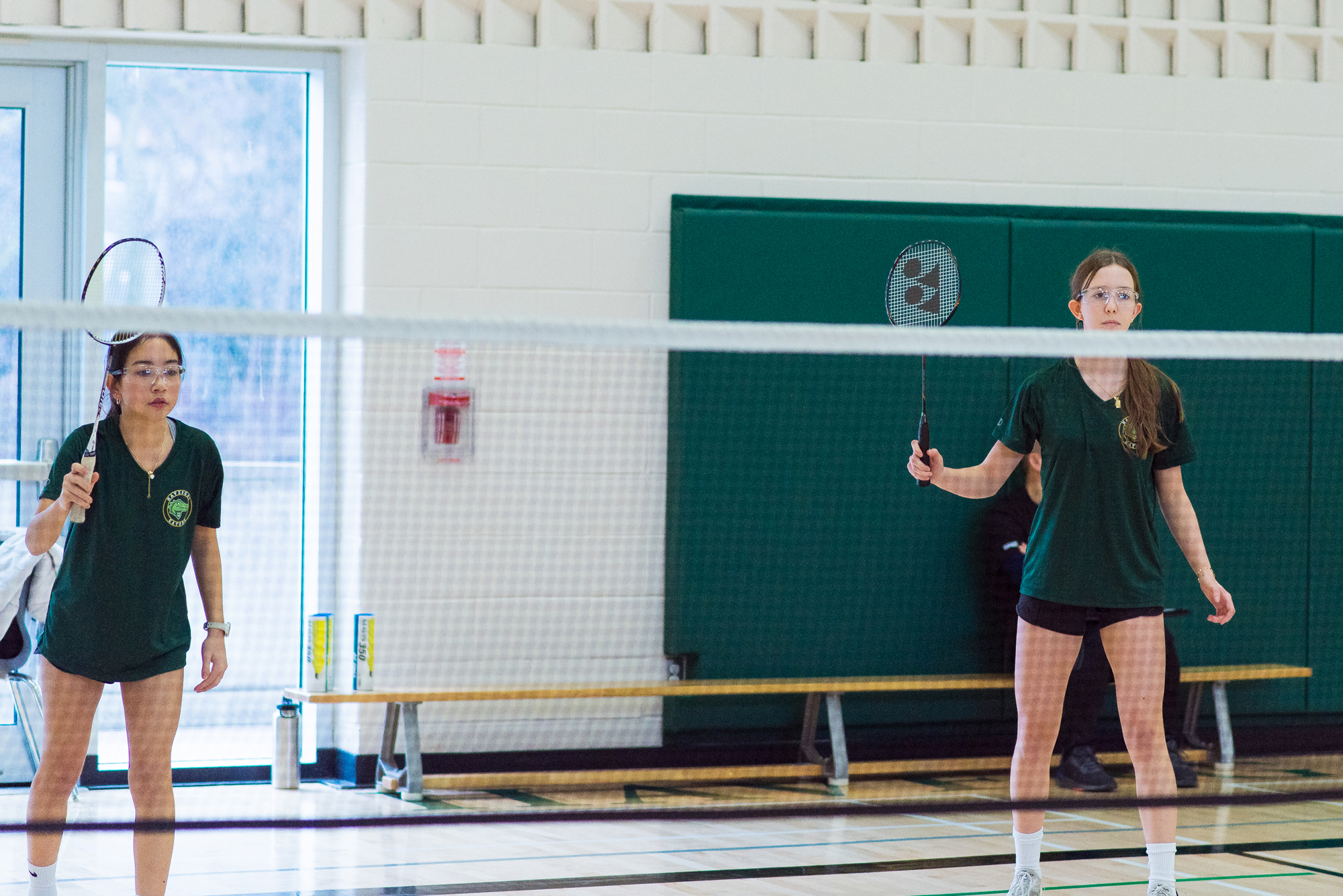
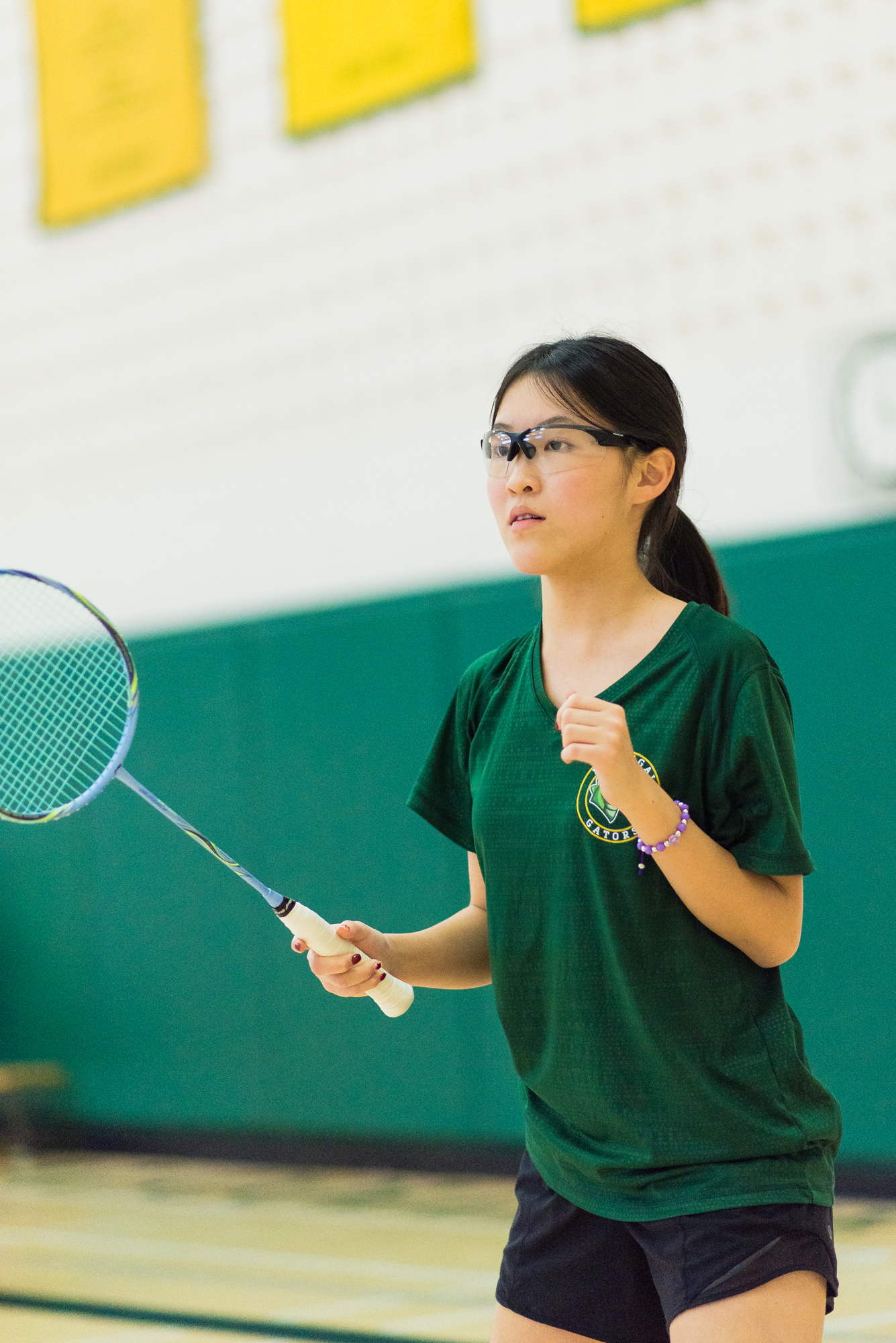
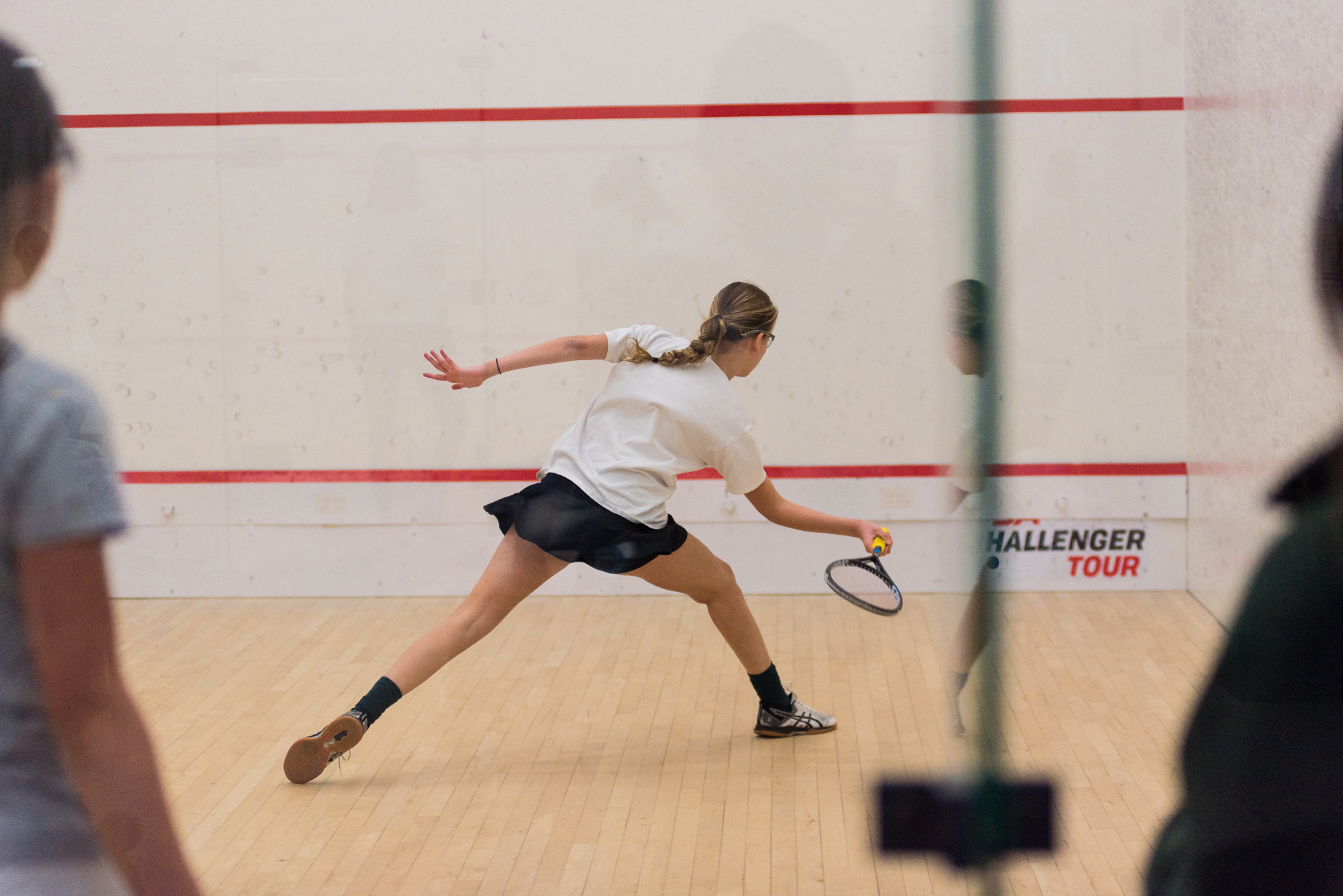
Overseeing Upper School athletics, Di Filippo tries to keep that enthusiasm alive through the transition to Grades 7 and 8, where the school has the greatest number of teams. “Studies show the No. 1 reason girls play sports is for social connection. During the socially complex middle school age when puberty hits, we offer the most teams because we really want students to participate and not sway their enthusiasm. Since many are new to the school, it can help them make friends and feel more settled,” she says. From Grade 10 onward, physical education classes become optional, and the number of teams shrinks as students either focus on excelling at their best sports or choose to hone in on activities outside of athletics in the school’s wide array of arts, clubs and leadership opportunities (academics are also more demanding at this senior level, so time is limited).

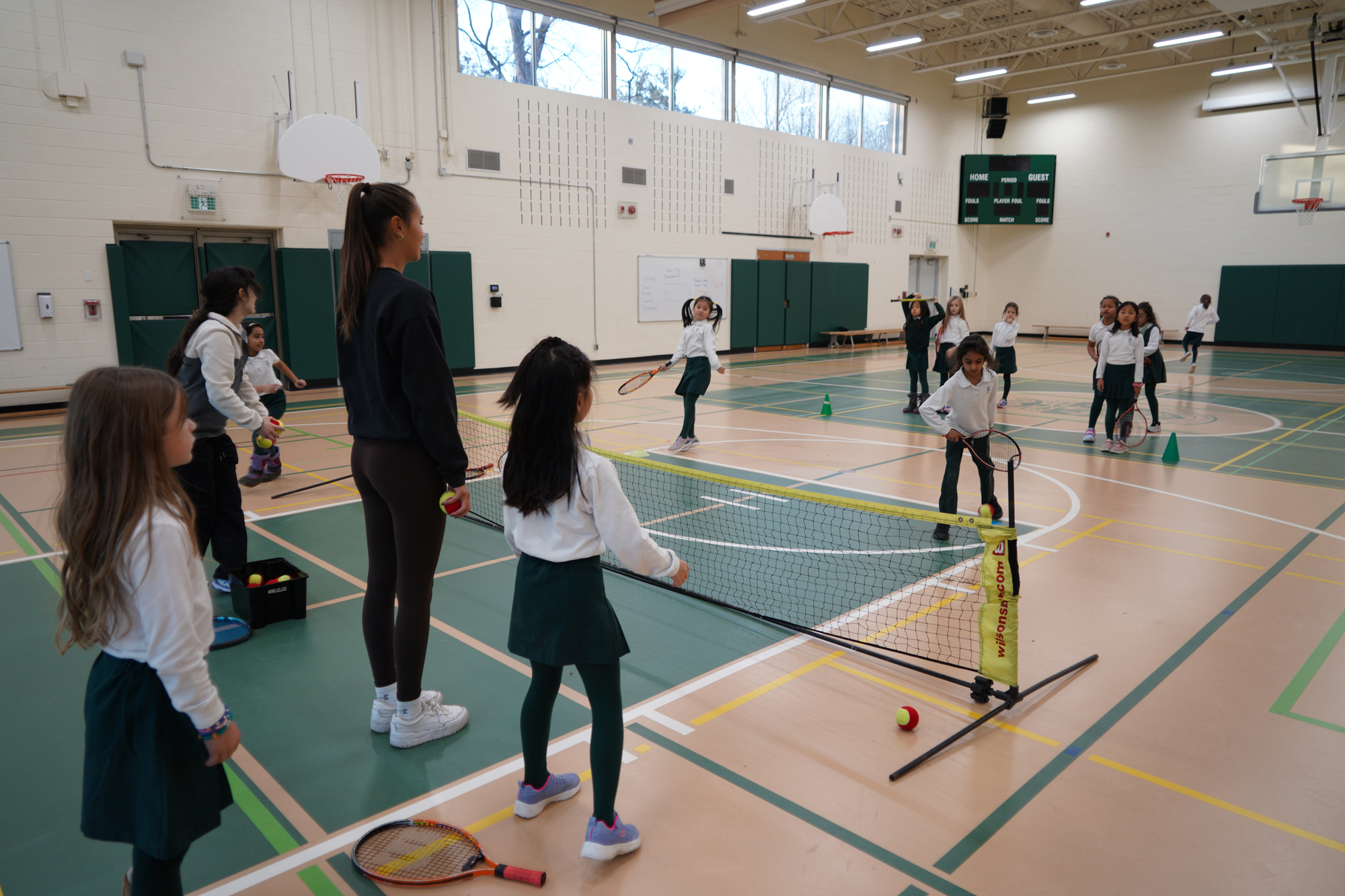
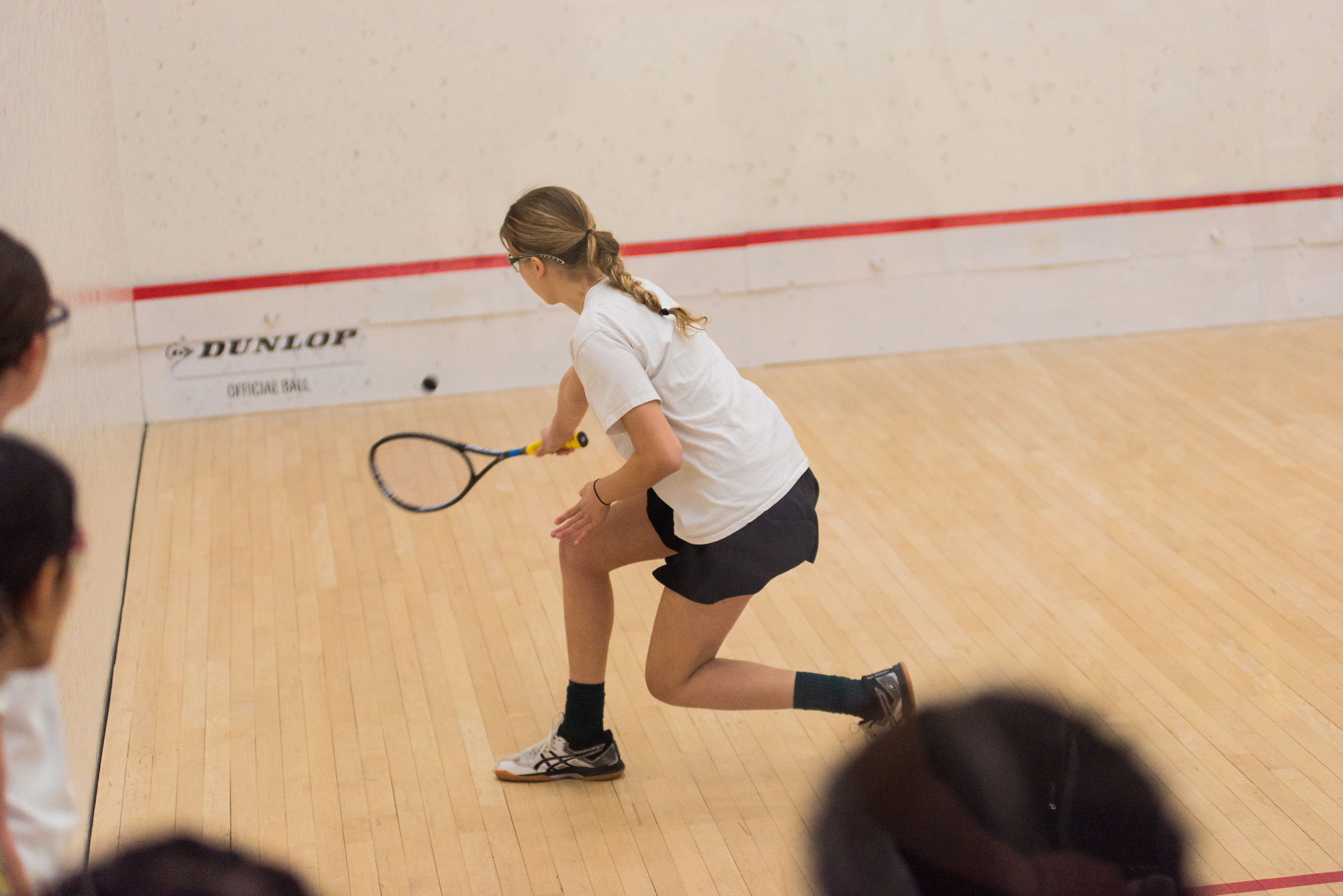
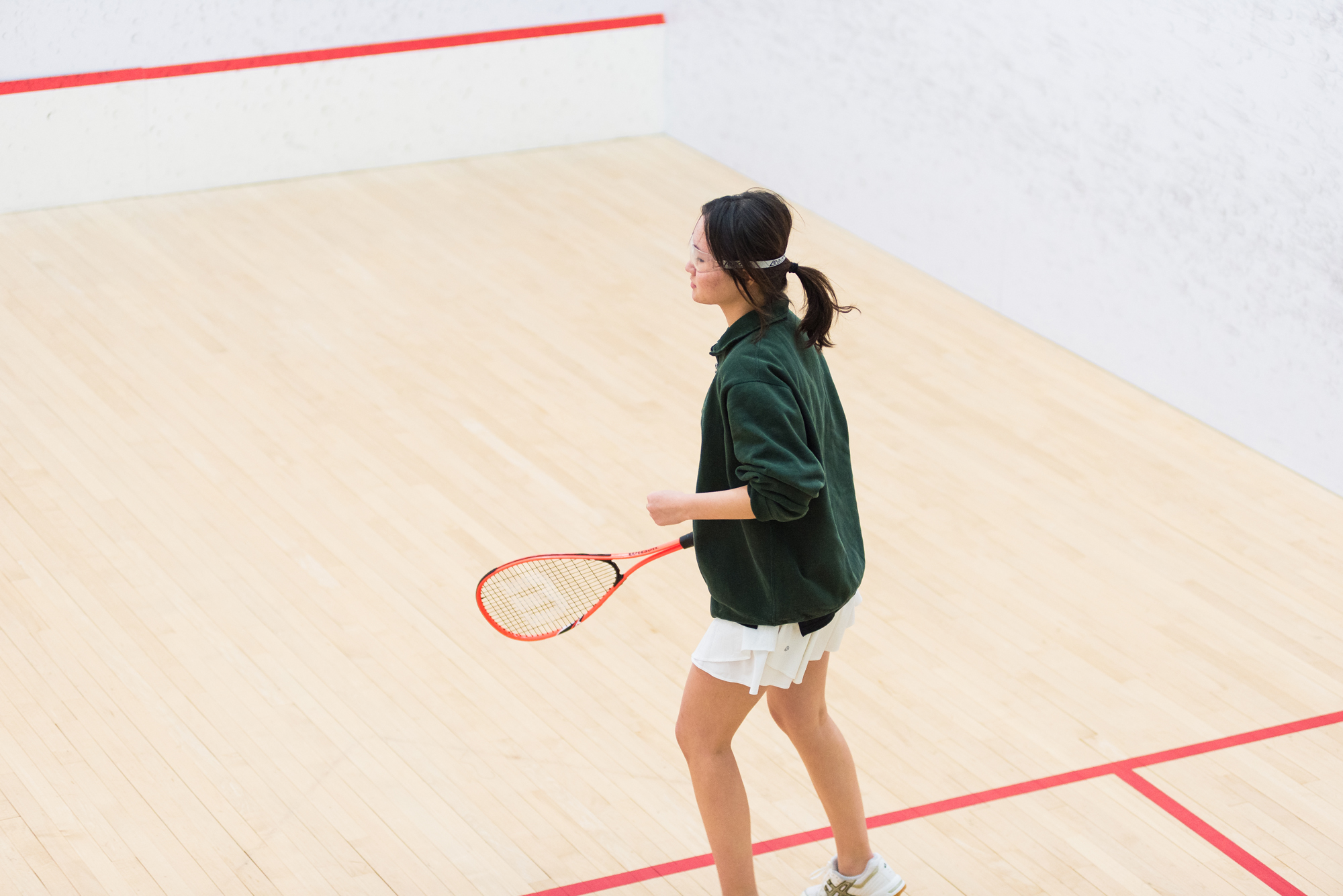
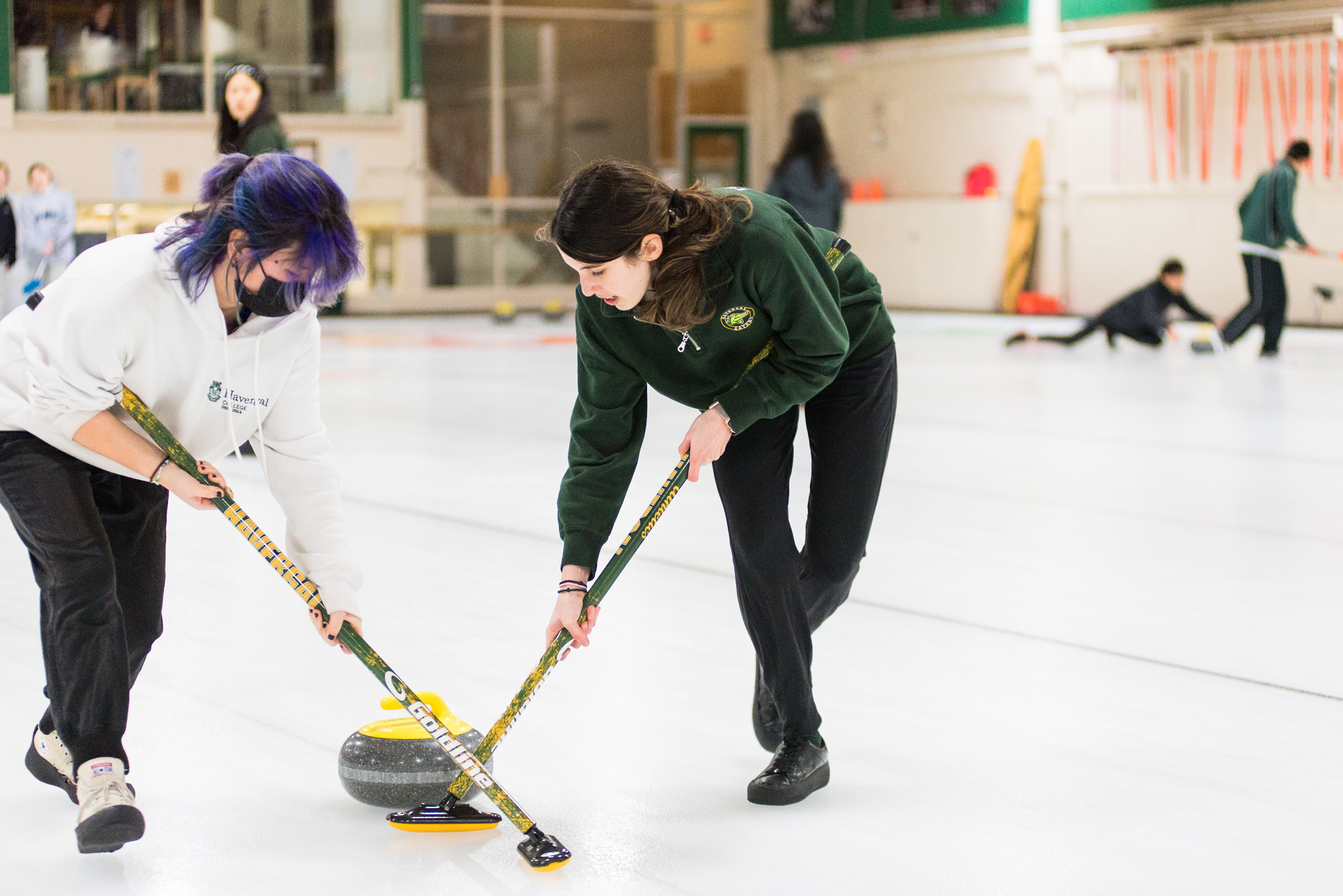
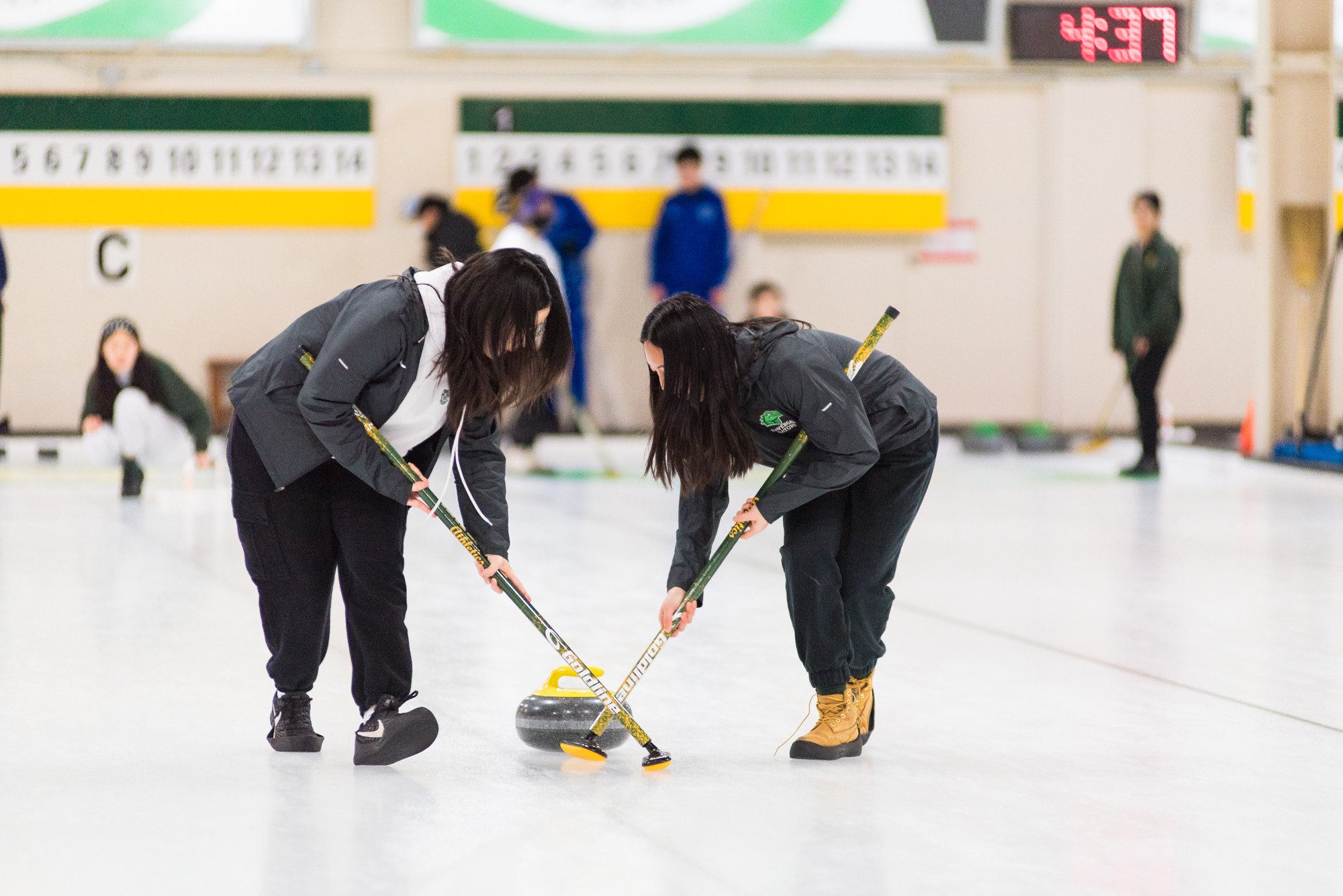
Still, Di Filippo says she always wants students to feel like they could pick up a sport at any time. It’s an invitation made explicit by Havergal’s Learn to Play programs, where students can try out golf, curling or tennis for the first time at any grade. Recent improvements to the school’s gym facilities, and the hiring of a Strength and Conditioning Coach to help students use the equipment properly, have meant a big increase in the number of girls using the Fitness Centre and creating that potentially lifelong habit. “The Fitness Centre space has become very popular. We don’t have exact numbers, but every time you walk by, it’s busy. I think that becomes a snowball effect—when people see spaces being used, they also become interested in using it. Not to mention [students] seeing their teachers and coaches modelling this as well,” says Di Filippo.

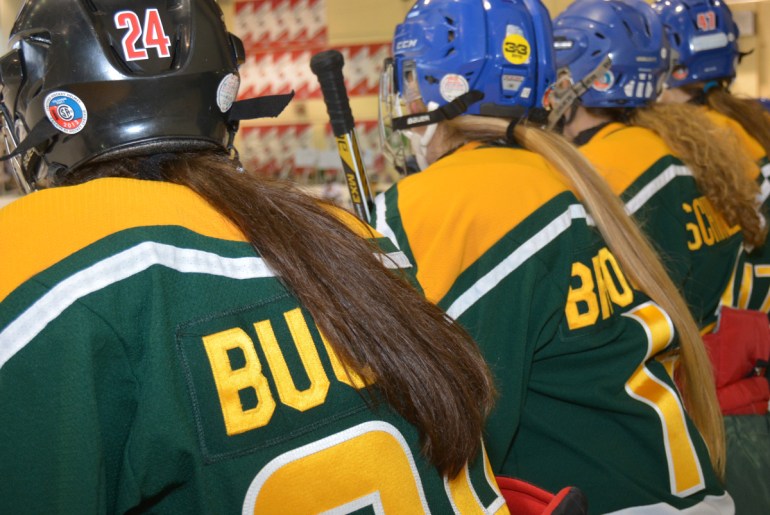
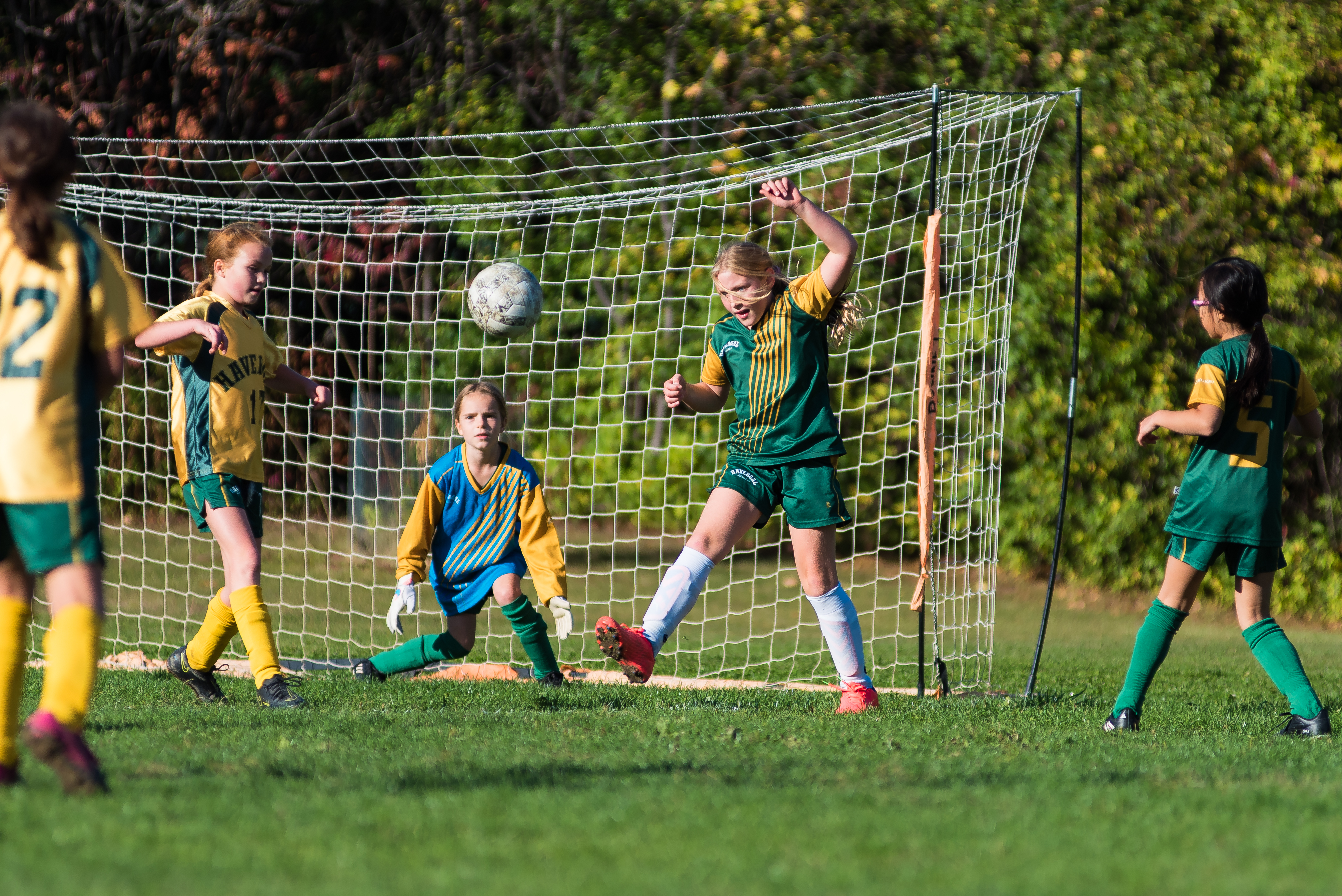
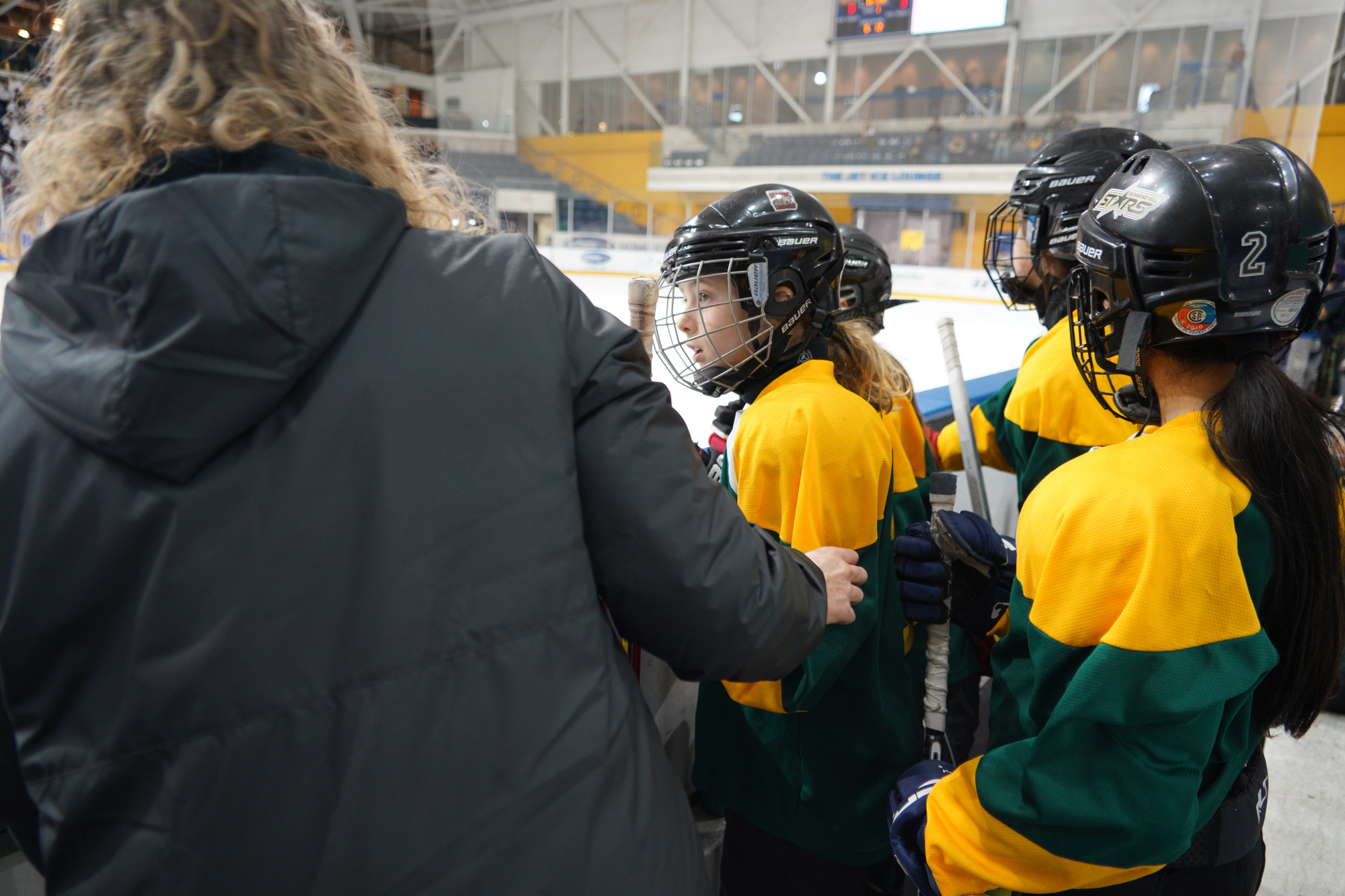
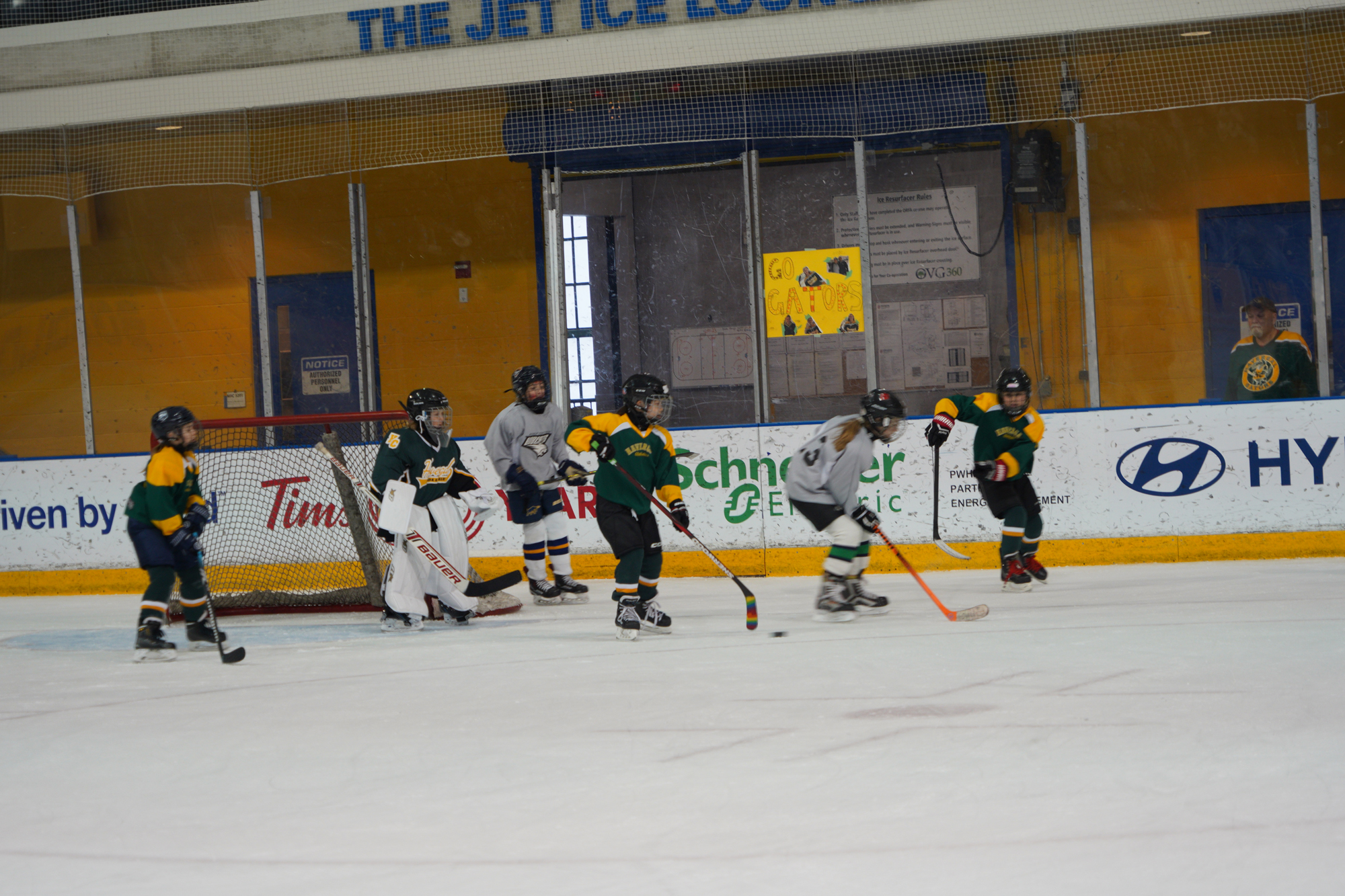
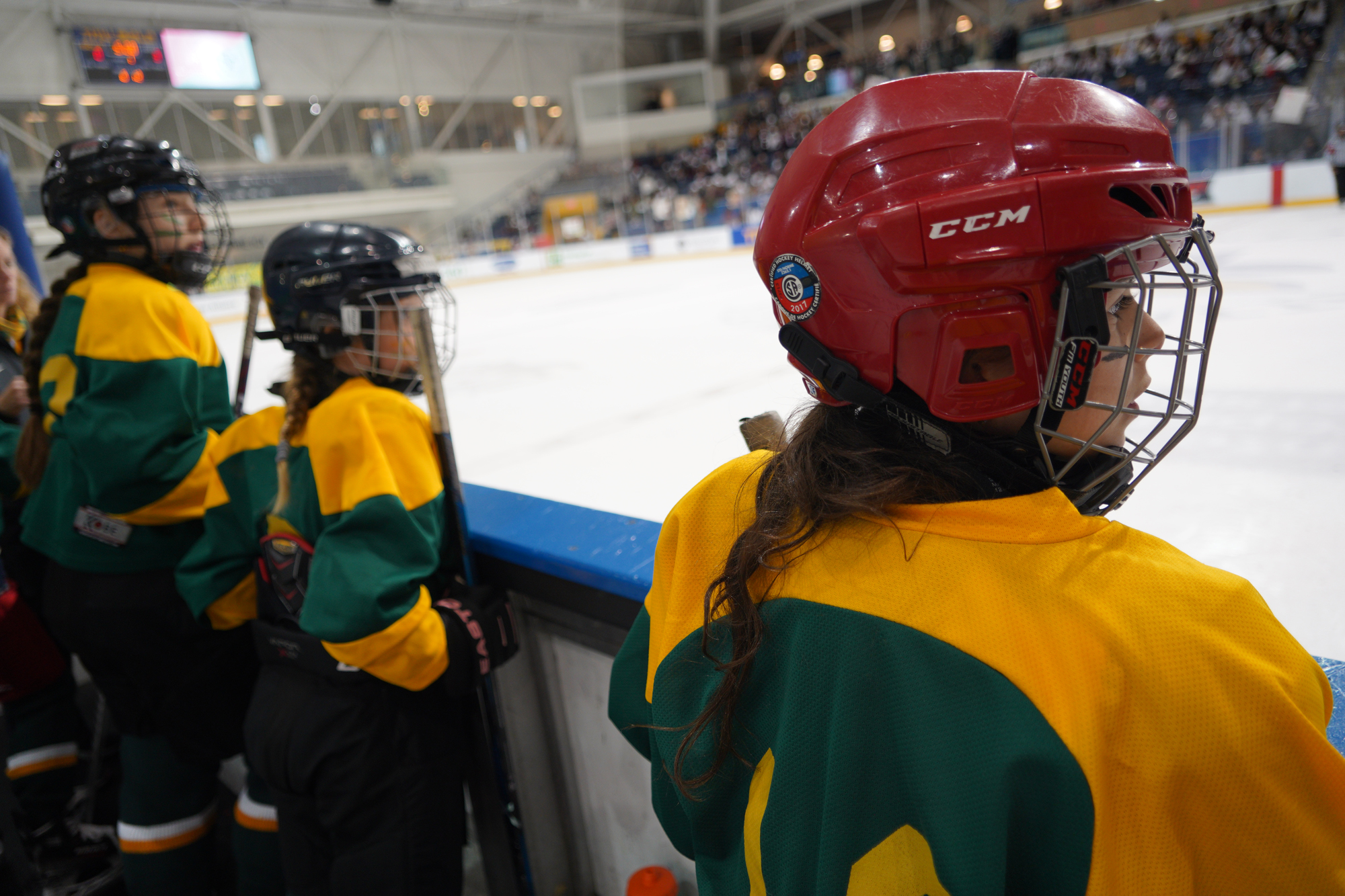
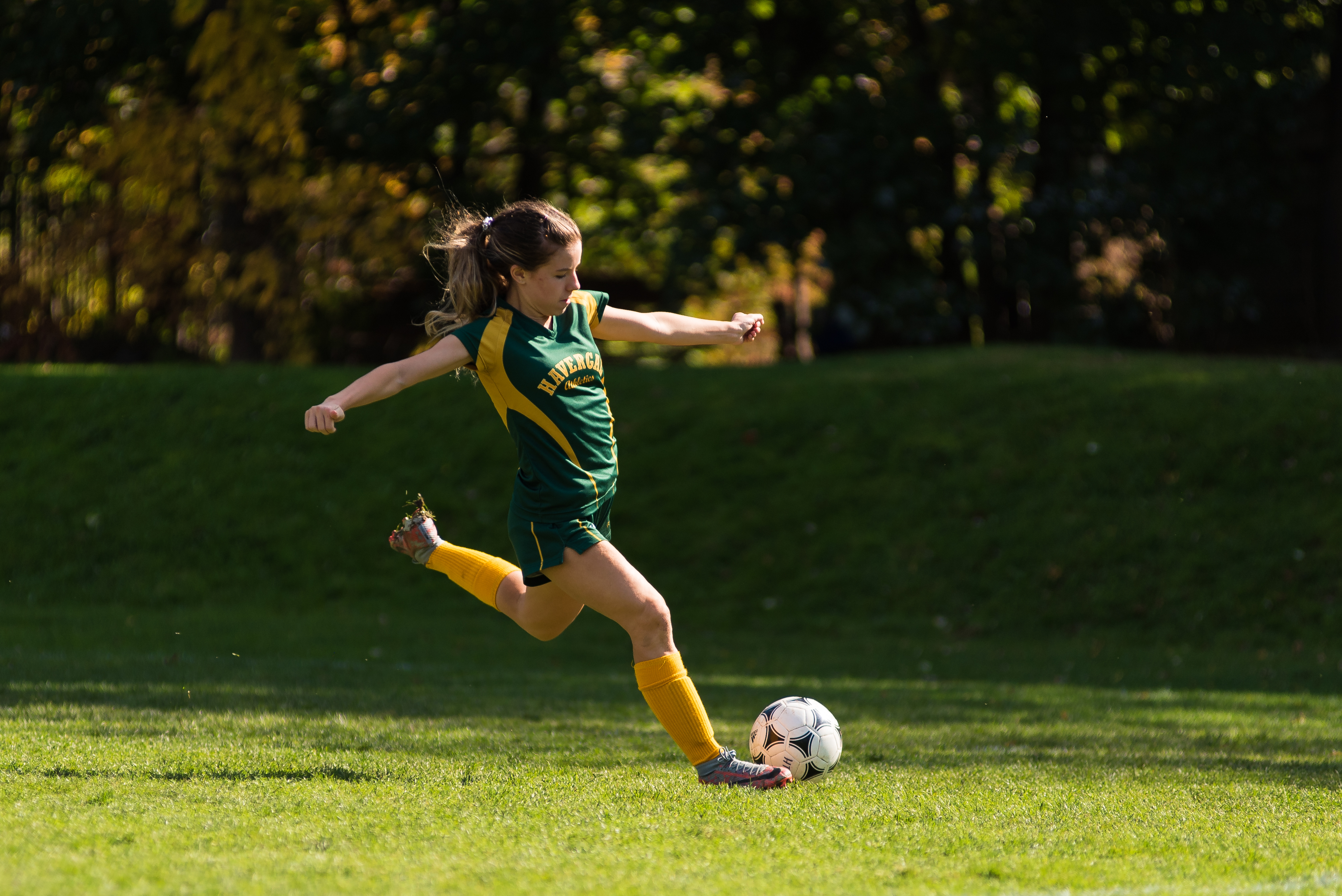
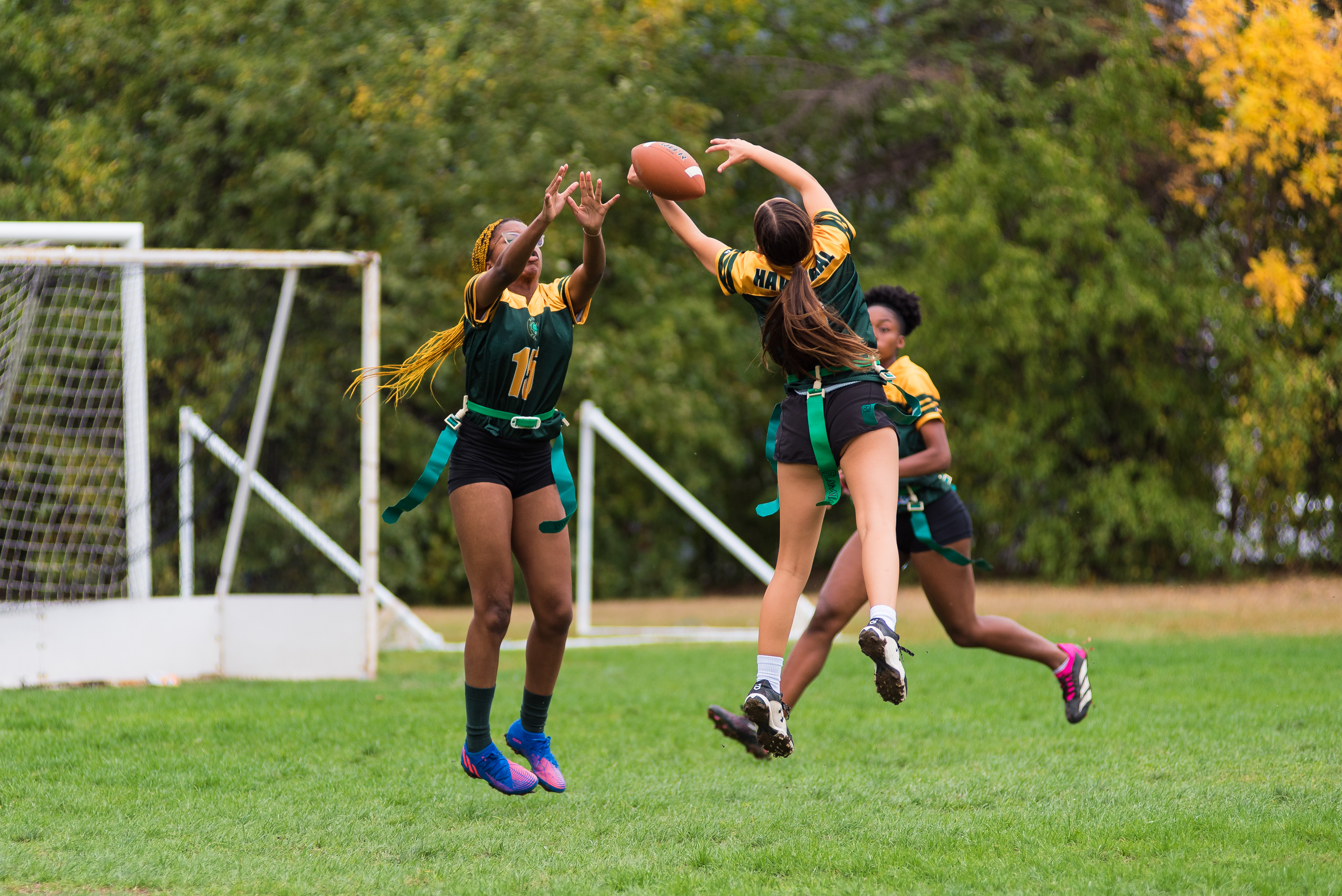
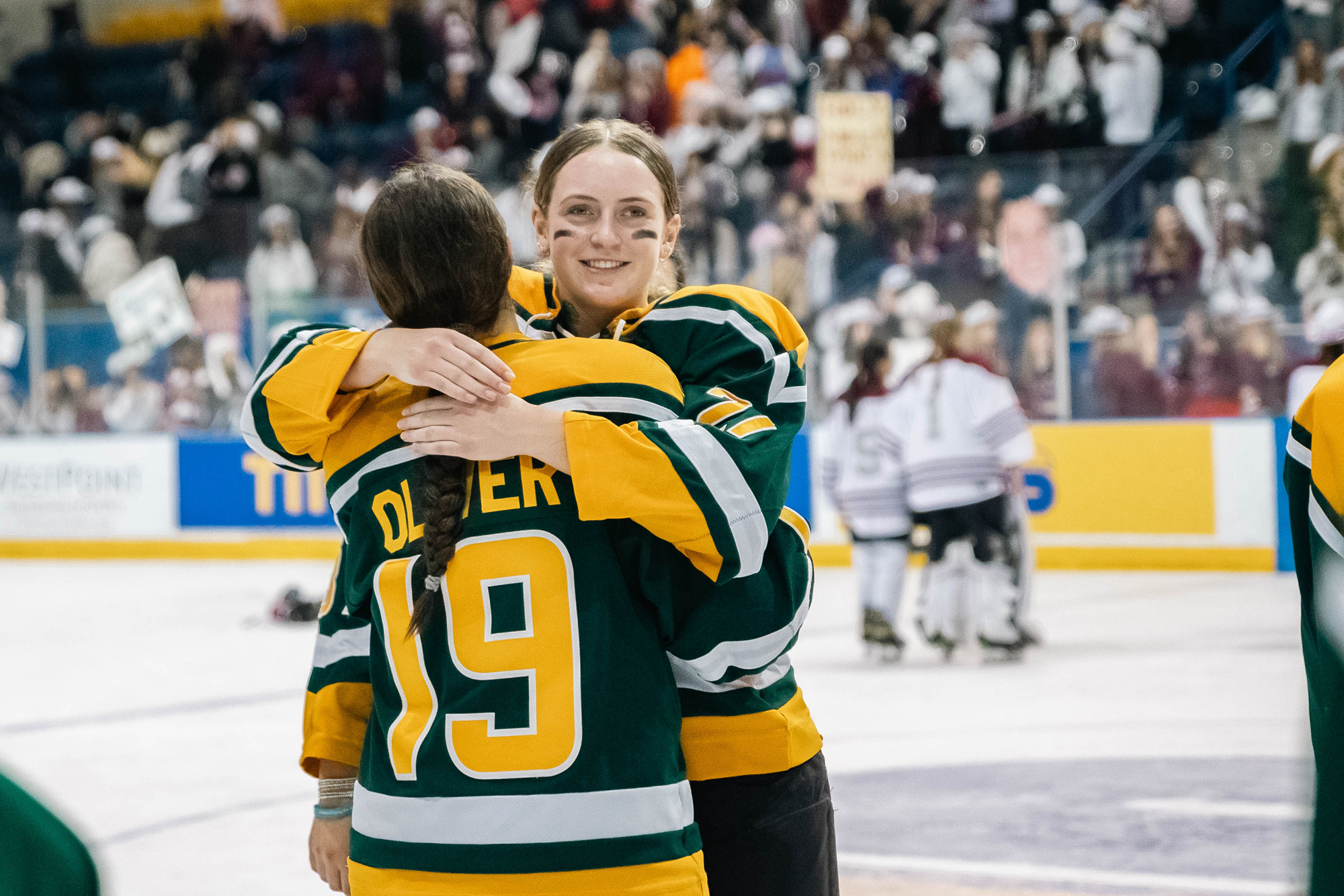
By Senior School, elite athletes also emerge and students compete in CISAA athletics. By now, sports teams are more competitive, but girls who don’t make it onto the Division 1 teams can also try out for Division 2 teams. The idea is that competition is relevant to specific athletes. Motivated students still have the opportunity to become competitive athletes at this stage. Di Filippo points to Havergal’s Rowing Team, in particular, where even students who start in Grade 9 can achieve excellence under a full-time coach plus eight to 10 supporting coaches who train the girls all winter, four days a week, from 5:30 to 7 am. Regattas throughout the winter and spring season plus a training camp in Tennessee mean the team gets to compete while also developing essential skills and teamwork. “Some of our rowers go on to national and Ivy League teams,” says Di Filippo. “It’s something we are quite proud of because we introduced the sport to them and developed them to get to this level of competition.”
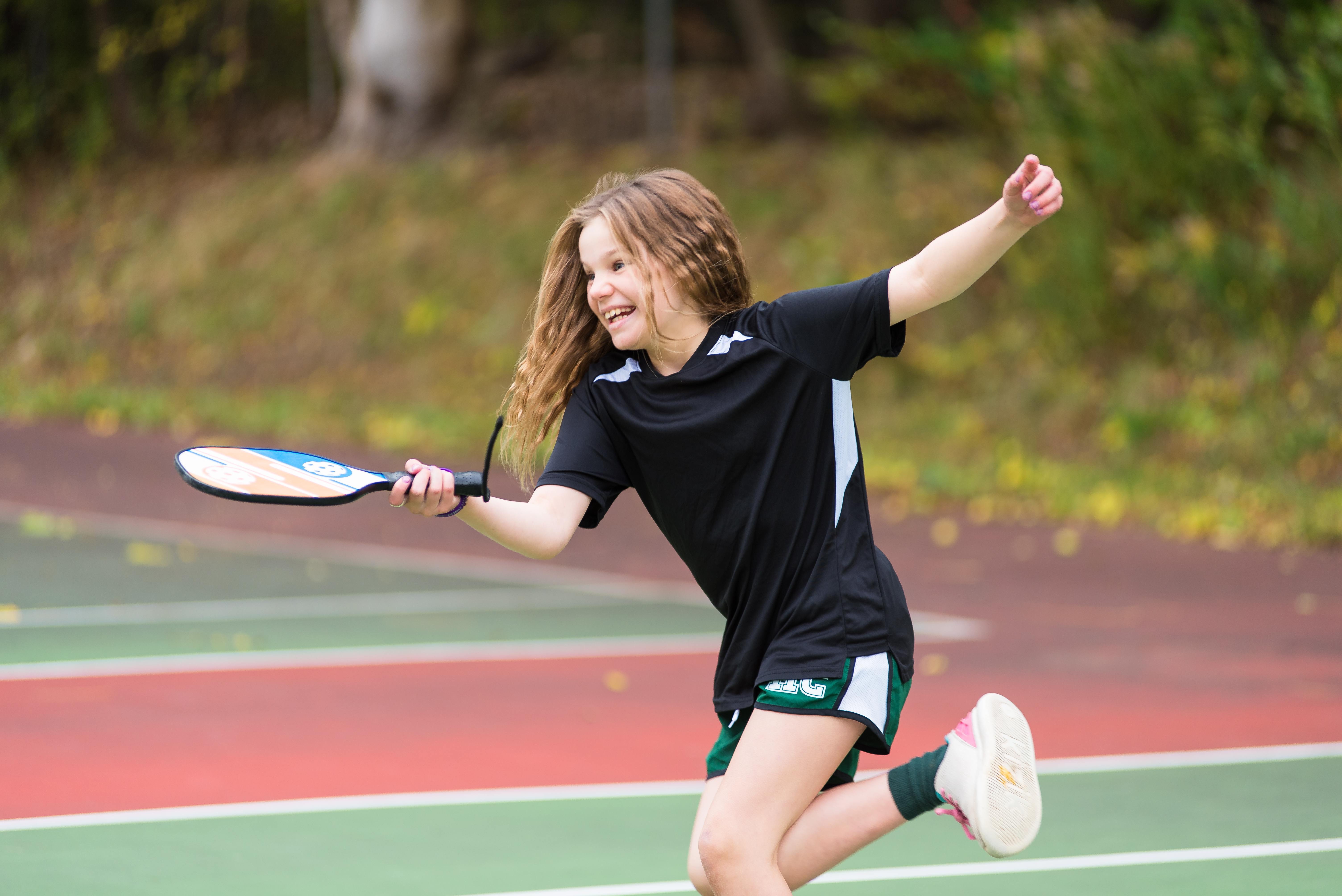
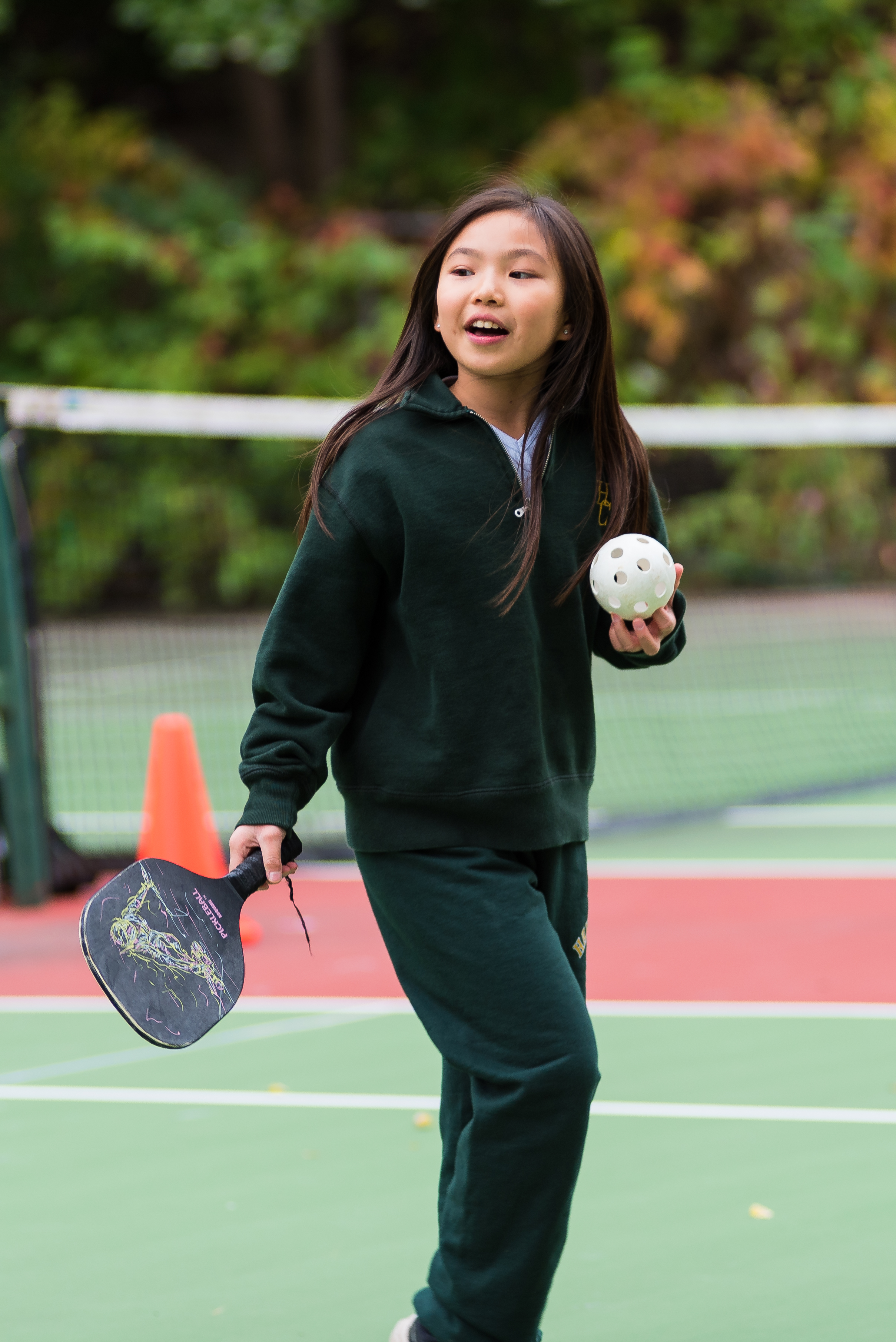
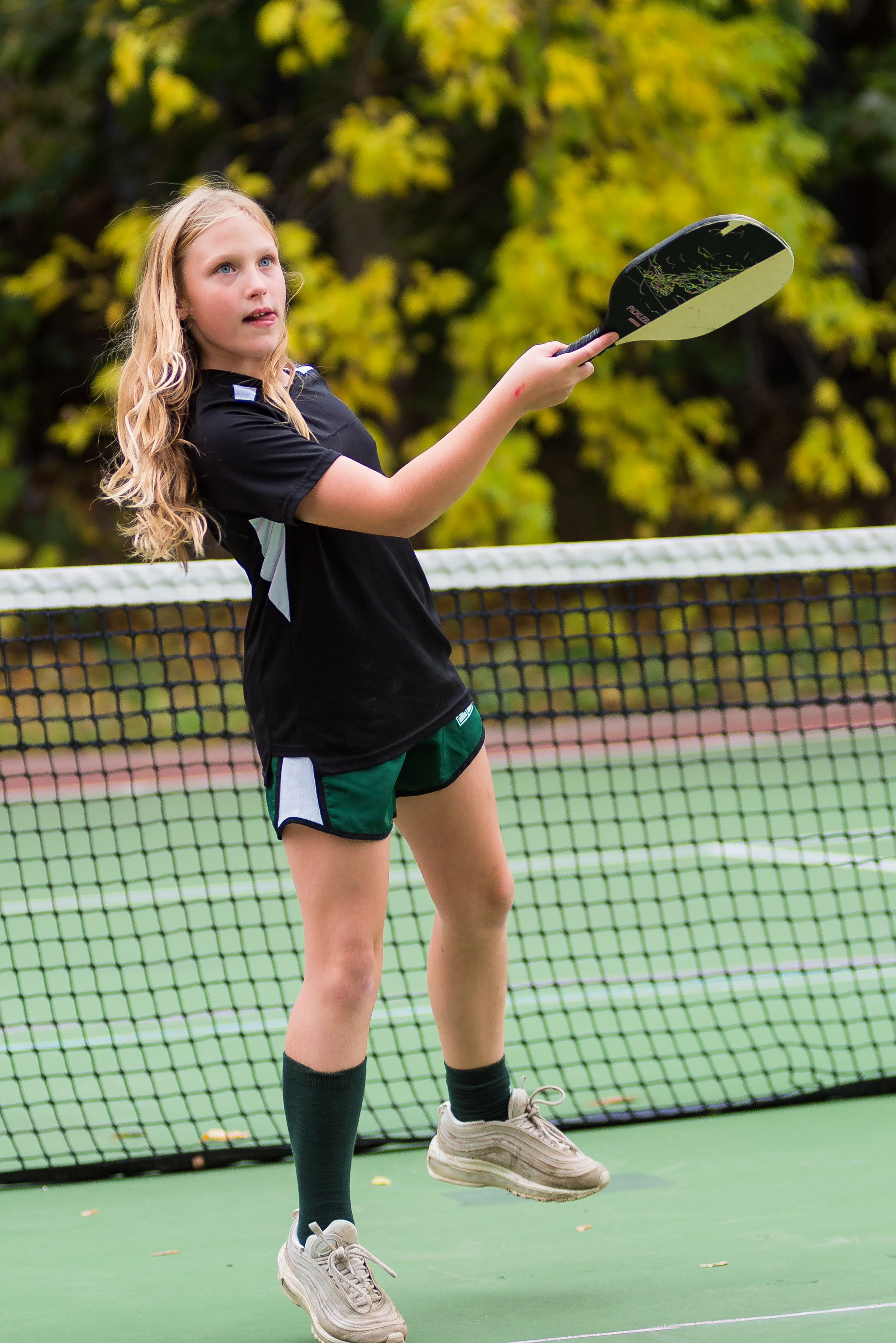
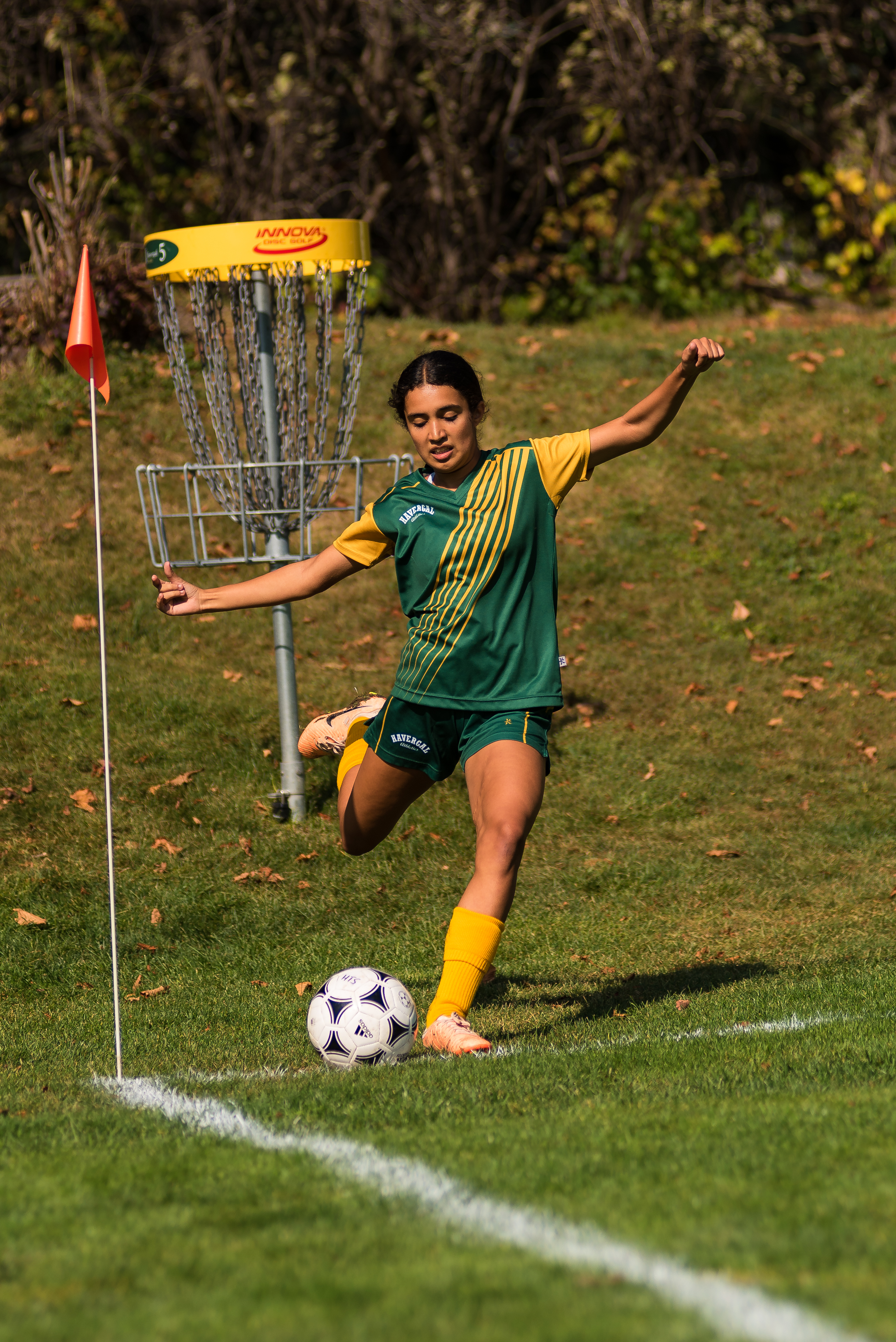
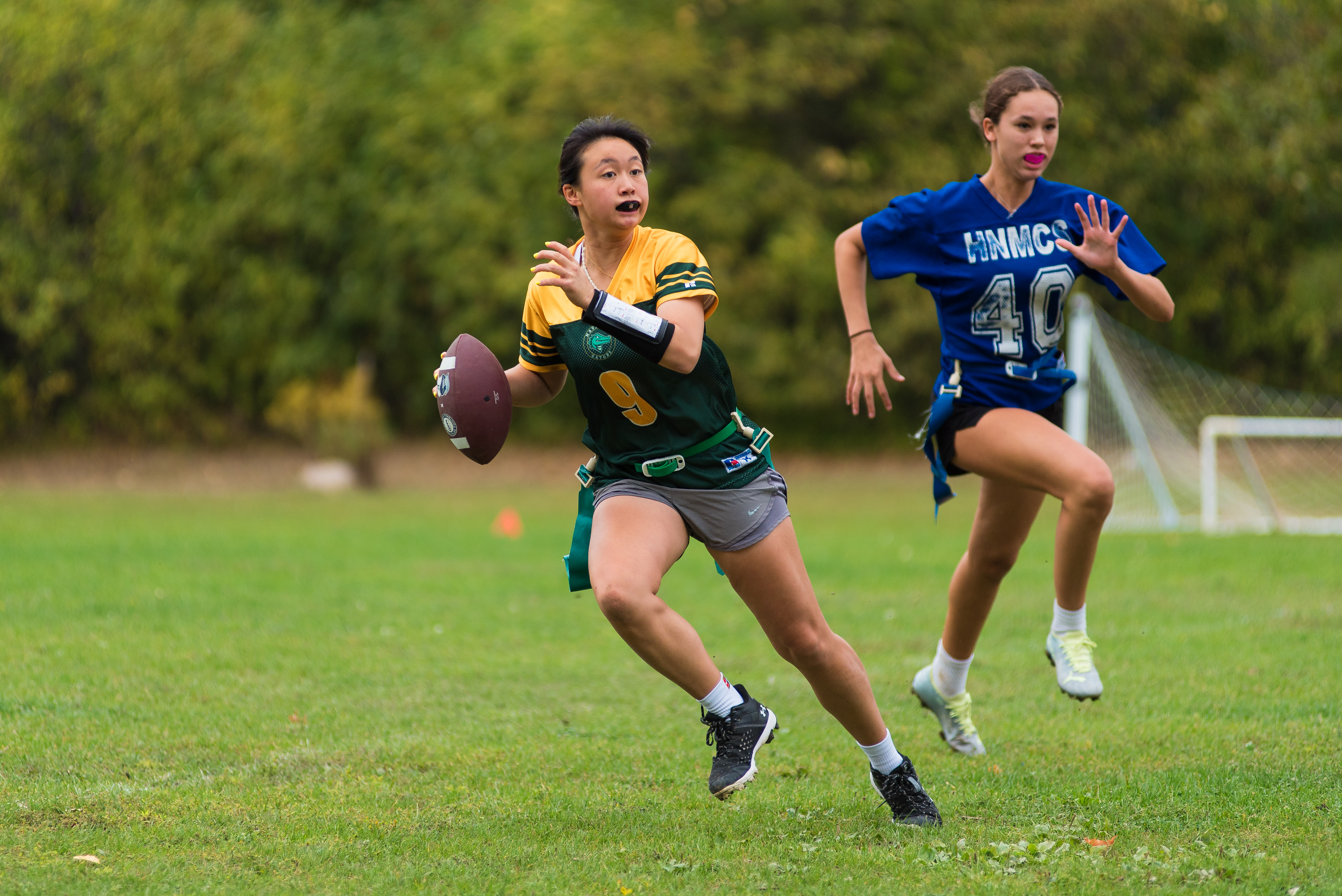
Alongside long-established sports such as the Rowing Team, the Athletics department is always thinking about new additions to its programming. During the time of COVID-19 restrictions, the department added a nine-hole disc-golf course on campus (think golf, but using a frisbee), a very accessible sport that features a lot of walking. Havergal also invested in 18 sets of cross-country skis, with 24 pairs of boots in various sizes, to offer more variety in winter sports. Both options have become permanent post-pandemic activities. Then, of course, there’s Havergal’s exceptional sprawling campus and amenities such as the tennis courts, rock climbing wall and pool. By offering many options and spaces to suit different interests, Havergal faculty hope to inspire more students to try out a sport. “We’re working really hard to make our spaces safe, to change preconceived notions of what an athlete looks like or how they act. Sports are for everyone. We want everyone to feel like they can be a part of athletics if they want to,” says Di Filippo.
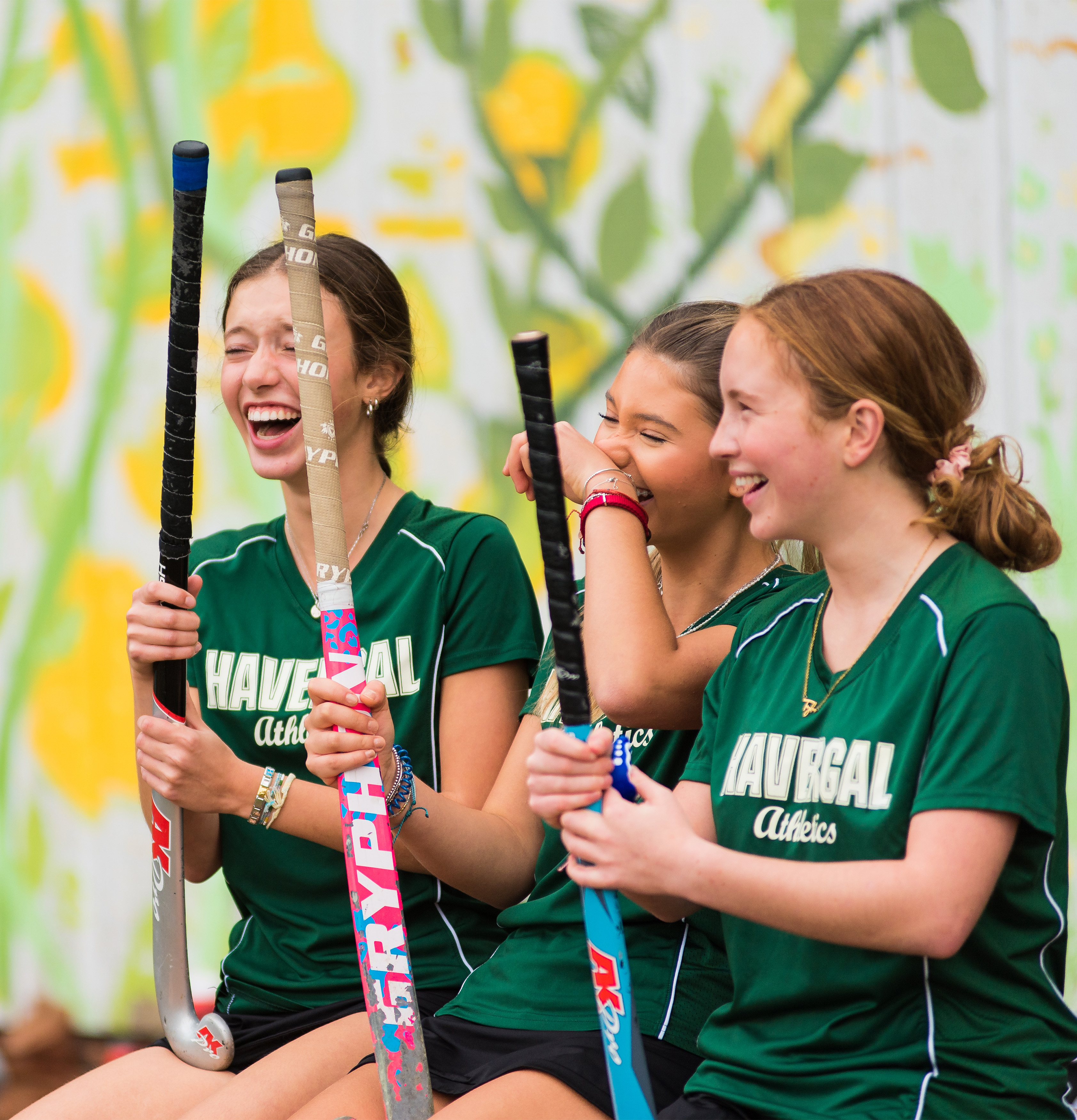
“Wellbeing is at the root of everything we do,” adds Koekkoek. “Students can’t excel in the areas of academics, sports, arts or even daily challenges if they don’t have the belief in themselves, the support of trusted teachers and coaches and the ability to see themselves as contributors to our community. It’s what will serve them in building agency and resilience, and help them to align with their purpose.”
Having a school leader such as Koekkoek oversee wellbeing initiatives is a signal of Havergal’s investment in supporting students beyond academics. “Part of wellbeing is learning and growing in a safe community, which is one of the priorities of Havergal’s Senior Leadership Team,” she says. The school’s administration understands the value of developing courage in students to try new things, because they know these skills will set them up for a lifetime of opportunities and challenges they won’t be afraid to take on.


















Published April 2024
2023–24 Issue